At Havana’s Juan Manuel Márquez Pediatric Teaching Hospital, medical professionals demonstrate extraordinary resilience amid Cuba’s severe energy crisis and economic constraints. The facility, which serves as a national referral center for specialized pediatric care, continues operating despite regular national power outages that force staff to physically carry patients up seven flights of stairs when elevators fail.
This remarkable dedication is exemplified through the stories of two teenage patients: 17-year-old Lisnatali, diagnosed with nodular sclerosis Hodgkin’s lymphoma, and 16-year-old Anyeli, battling a rare pregnancy-related cancer. Both girls endure their ‘horribly painful’ treatments with courage and joy, supported by medical staff who face their own profound challenges.
Dr. Andy Hernández Álvarez, head of pediatric clinical oncology, embodies this commitment. A childhood cancer survivor himself, he understands both sides of the white coat. ‘The professional who stands firm deserves respect,’ he states. ‘We choose to stay despite transportation difficulties, physical exhaustion, and poor sleep.’
The hospital’s struggles have intensified following tightened economic restrictions and oil embargoes that have forced measures like postponed surgeries and extended waiting lists. Yet the facility remains operational, serving as the country’s primary pediatric unit for burn victims and housing Cuba’s largest oncohematology ward and intensive care unit.
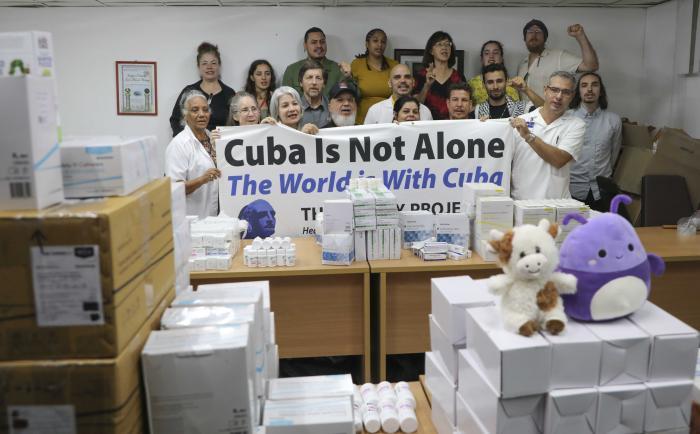
Recent relief arrived through the Hatuey Project (Health Advocates in Truth, Unity, and Empathy), which delivered crucial donations of cytostatic drugs, antibiotics, antiemetics, medical consumables, and toys. Dr. Hernández emphasized the profound impact: ‘This isn’t just about saving lives but maintaining quality of life. A patient who can tolerate adverse reactions endures more treatments and stays in good spirits.’
The donation represented more than material support. Miami-based Dr. Nadia Marsh of the Hatuey Project noted: ‘We thank Cuban healthcare workers—you are an inspiration. We see what a people can do when they truly think of the people despite blockade and resource limitations.’
As Dr. Hernández returns to his rounds, checking on patients receiving chemotherapy and visiting the smiling teenagers playing with their new Parcheesi set, the hospital continues functioning as what he describes as ‘not a building, but a living, beating heart.’