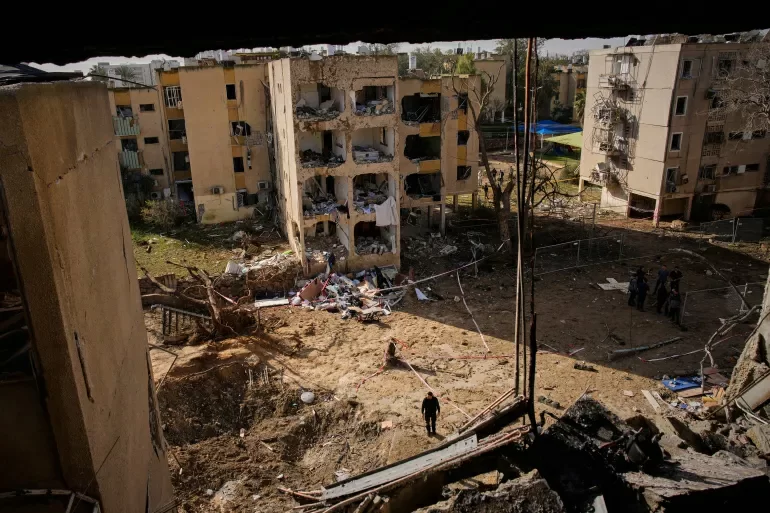
Recent Iranian missile strikes targeting Israeli cities adjacent to nuclear facilities have exposed critical vulnerabilities in Israel’s defense architecture. The attacks, which injured approximately 180 people and forced mass evacuations, represent a significant escalation in the ongoing conflict that began on February 28th.
The offensive came in direct response to Israeli-American airstrikes on Iran’s Natanz nuclear complex days earlier. Iranian forces employed sophisticated cluster munitions and ballistic missiles capable of bypassing Israel’s renowned Iron Dome system. Uzi Rubin, founder of Israel’s missile defense program, confirmed Iran possesses “the Middle East’s most extensive and diversified missile arsenal,” with capabilities that complicate interception efforts.
Prime Minister Benjamin Netanyahu characterized the events as “an exceptionally challenging evening in our battle for survival” as civilians experienced unprecedented direct impacts of warfare. Health Ministry reports indicate over 4,500 casualties since the conflict’s inception.
The strategic dimension has expanded dramatically, with Iran effectively blockading the Strait of Hormuz – a critical global oil transit route – prompting U.S. President Donald Trump to threaten retaliatory strikes against Iranian energy infrastructure. Military analysts note the conflict has entered a dangerous new phase targeting nuclear installations on both sides.
Defense specialist Miriam Cohen warned: “These demonstrations of precision and range suggest Israel may have underestimated Iranian capabilities. We’re potentially facing a more prolonged and devastating confrontation than previous engagements.” The situation remains volatile as both nations continue targeting strategic assets while international organizations condemn the use of banned cluster weapons.