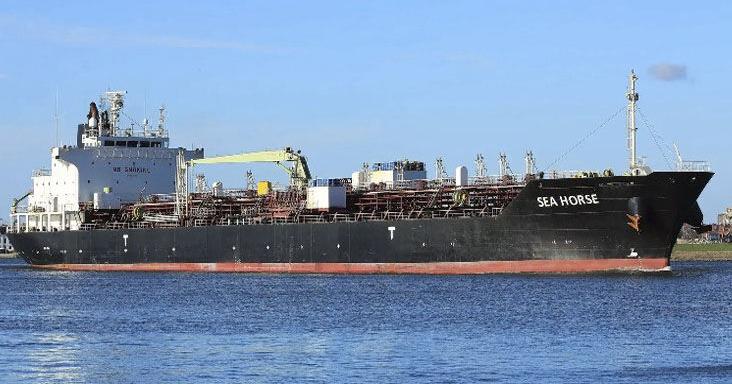
A Hong Kong-flagged fuel tanker at the center of Caribbean energy tensions has undertaken another unexpected diversion, now heading toward Venezuela after initially changing course from Cuba to Trinidad and Tobago. Maritime tracking data from MarineTraffic indicates the Sea Horse oil/chemical tanker is scheduled to arrive at Puerto Cabello on March 23rd at 4:30 p.m., marking the latest development in a complex geopolitical energy saga.
The vessel’s redirection comes amid a severe energy crisis in Cuba that culminated in a nationwide blackout lasting over 29 hours beginning March 16th. Although Cuban authorities managed to restore power grid connectivity and reactivate the country’s largest thermal electricity plant by Tuesday, officials warned that continued U.S. restrictions on fuel supplies could trigger further outages.
According to maritime intelligence reports, the Sea Horse loaded its diesel cargo earlier this year through a ship-to-ship transfer in the Mediterranean before sailing toward the Caribbean. The Russian-origin fuel had been idling in the Atlantic Ocean since late February, creating a floating storage scenario that reflects the complexities of global energy logistics under sanctions regimes.
The U.S. Treasury Department recently revised previously issued waivers covering sales of Russian-origin petroleum products, specifically excluding transactions involving North Korea, Cuba, and Crimea. This policy adjustment occurs as the Trump administration attempts to balance containing rising crude and gasoline prices amid Middle East conflicts while maintaining pressure on Cuba’s Communist government by restricting oil supplies to private entities only.
Meanwhile, Russia’s state-run TASS news agency reported that Moscow is engaged in discussions with Havana regarding potential aid options, though specific details remain undisclosed. Cuba’s energy infrastructure remains critically dependent on imported fuel oil and diesel for electricity generation, with the country having received only two tankers carrying imported oil cargoes so far this year according to LSEG data.
The situation has created a severe gasoline shortage in Cuba, with sales strictly rationed and black market prices reaching approximately $8 per liter—six times the official government rate. Attempts to reach Trinidad and Tobago’s Energy Minister Dr. Roodal Moonilal and Works and Infrastructure Minister Jearlean John for commentary on the tanker’s diversion were unsuccessful.