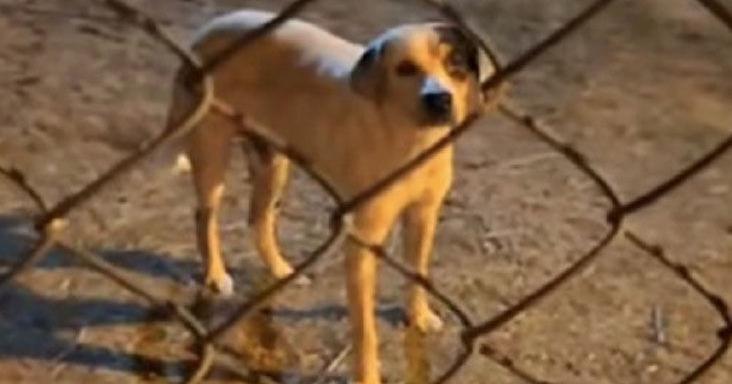
A distressing incident of animal abandonment has exposed the severe pressures facing Trinidad and Tobago’s primary animal welfare organization. On Tuesday, the Trinidad and Tobago Society for the Prevention of Cruelty to Animals (TTSPCA) discovered eight puppies and three adult dogs abandoned outside their compound, with several puppies thrown over the gate and one dog tied directly to the fence.
Operations Manager Sarah Agostini revealed this event represents an escalating pattern of animals being dumped at their facility. Through social media communications, the TTSPCA urgently appealed to the public: “Please, do not dump animals. If you are struggling, come in and talk to us. We will always try to help or guide you.”
The organization emphasized the life-threatening dangers of such abandonments, noting that roaming dogs in the area could easily have attacked or killed the vulnerable animals. While relieved these particular animals were found safe, officials warned the situation could have ended tragically.
Agostini detailed the ongoing challenges in a telephone interview, explaining that abandonment methods include both tying animals to fences and literally throwing them over gates. The shelter is currently attempting to rescue one dog that has evaded capture for two weeks despite regular feeding attempts.
The crisis extends beyond immediate animal welfare concerns. According to Agostini, the TTSPCA faces overwhelming systemic challenges due to the complete absence of operational government pound facilities or dog-catching units for approximately five to seven years. As the only open-admission shelter in Trinidad and Tobago, they shoulder the burden of stray and unwanted animals without government subsidies or consistent funding.
The facility currently houses approximately 40 cats and 120 dogs and puppies, operating at strict capacity limits to avoid overcrowding. Agostini revealed the organization has received only three government subventions in ten years, primarily allocated for infrastructural repairs rather than daily operations.
Compounding these problems, promised animal welfare regulations developed in 2019 have failed to materialize, leaving enforcement mechanisms weak and ineffective. The TTSPCA attempts to provide alternatives through partnerships with the Animal Welfare Network, offering food supplies, veterinary treatment, and social media adoption campaigns.
Agostini identified spaying and neutering as critical prevention measures, citing partnerships with local businesses like Donut Boys for reduced-cost initiatives. However, she characterized these efforts as “a drop in the ocean” given the scale of unwanted animals. Educational programs in primary and secondary schools aim to address root causes by teaching future generations about animal cruelty prevention.
The operations manager concluded that the crisis extends beyond her organization, affecting all rescue groups and NGOs involved in animal welfare throughout Trinidad and Tobago, with lack of legislative enforcement and systemic support remaining fundamental obstacles.