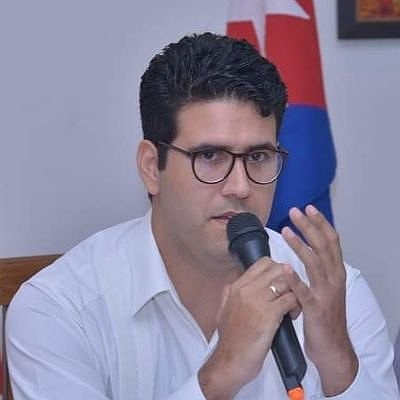
Cuba’s ambassador to The Bahamas, Juan Carlos Marcof Sánchez, has delivered a stark assessment of the island nation’s deteriorating conditions, attributing severe fuel shortages, prolonged blackouts, and widespread societal disruption directly to United States policies. In an exclusive interview with The Tribune, the diplomat detailed how American measures have created cascading effects across all sectors of Cuban society.
The healthcare system faces particularly critical challenges, with tens of thousands of patients—including significant numbers of children—unable to receive necessary surgeries due to persistent electricity shortages. Ambassador Marcof Sánchez identified a January executive order signed by President Donald Trump as significantly intensifying the decades-long economic blockade. This order, which declares a national emergency and enables tariffs on countries supplying fuel to Cuba, represents a strategic effort to cut off the island’s vital energy imports.
According to the ambassador, Cuba has endured more than three months without fuel shipments, creating what he described as ‘very adverse conditions’ affecting the entire population. The energy crisis has resulted in power outages exceeding 30 hours in some communities, disrupting water supply systems, halting industrial production, and crippling essential services. The communications infrastructure suffers when radio base stations lose power, while medical services, education, and transportation systems struggle to maintain normal operations.
Despite these challenges, Marcof Sánchez emphasized Cuba’s resilience, noting that schools remain open, hospitals continue providing care, and essential services persist through government crisis management. He reported expanded domestic oil production that has exceeded early-year targets, though he acknowledged this covers only approximately 30 percent of national needs.
The ambassador condemned US pressure on third countries regarding trade with Cuba as coercive and dismissed claims that Cuba poses a national security threat as unfounded. He simultaneously pointed to ongoing diplomatic engagement between Cuban and US officials aimed at addressing bilateral differences, while highlighting international support from governments and organizations across Latin America, the Caribbean, and Europe.
In response to these allegations, the US Embassy in Nassau directed attention to comments by Secretary of State Marco Rubio, who asserted that Cuba’s economic troubles stem from systemic failures rather than US policy, claiming the regime has historically depended on foreign subsidies that are no longer available.