A pressing call for enhanced educational focus on creative career pathways has emerged in Barbados as secondary schools confront dwindling enrollment in arts programs. The urgency was highlighted during a groundbreaking student-organized art exhibition at Springer Memorial School, serving as both a public showcase and a formal academic assessment.
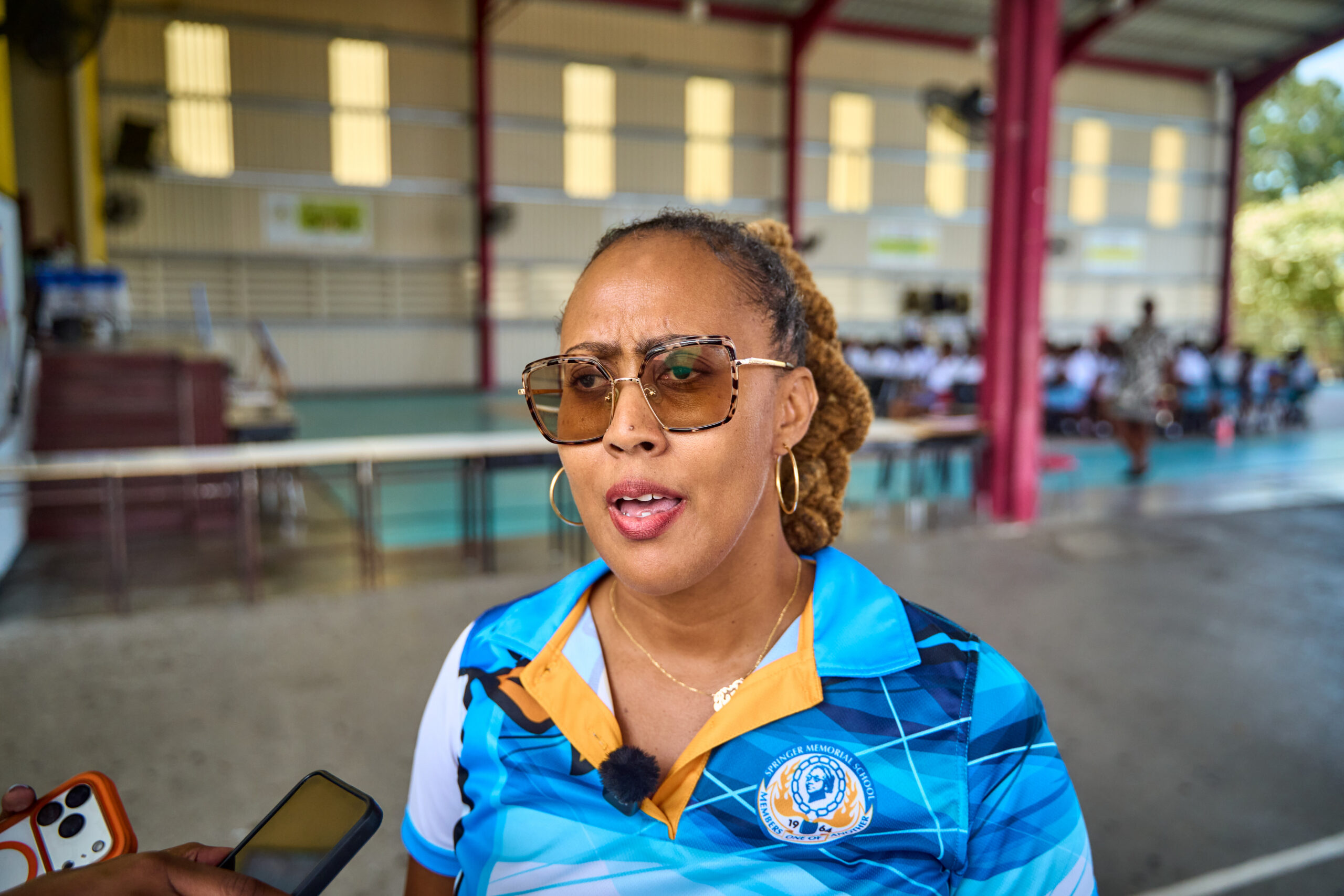
Renee Taylor, a graduate teacher at the institution, articulated the crisis while observing her sixth-form students’ innovative response to the challenge. Their project, mandated by the Caribbean Advanced Proficiency Examination (CAPE) curriculum, required conceptualizing and implementing a practical, income-generating initiative within the performing arts discipline.
“This exhibition represents the culmination of their Unit One SBA requirements,” Taylor explained. “These students identified a pressing issue within creative education, developed an event-based solution, and implemented it with professional standards, including revenue generation components as specified in the syllabus.”
The student team selected a particularly relevant challenge: reversing the post-pandemic decline in creative arts enrollment. Their research revealed concerning trends across visual arts, music, fashion, and culinary programs. Through peer surveys, they uncovered pervasive misconceptions about creative careers, including perceptions of financial instability, lack of prestige, and limited professional viability.
Taylor noted additional systemic barriers: “Limited exposure to arts programming at earlier educational levels created a foundational gap. Many students had minimal experience with drama or dance programs, which affected their perception of local career opportunities.”
The exposition strategically countered these perceptions by assembling accomplished creative professionals and institutional representatives. Notable participants included acclaimed artist and alumna Sheena Rose, whose career demonstrates local artistic viability. The event also featured delegates from the National Cultural Foundation and the Barbados Museum, providing students with both academic and professional pathway guidance.
“We brought practitioners and alumni who actually sustain careers in the arts,” Taylor emphasized. “They provided firsthand accounts of navigating the creative economy successfully within Barbados.”
The educator stressed that while school programs introduce artistic fundamentals, students require more robust transition support toward sustainable careers. “The critical question becomes: after beginning studies in school, what options exist for advanced education and professional development?”
Taylor concluded that strategic awareness-building and engagement initiatives could fundamentally reshape perceptions of creative fields, potentially unlocking significant economic potential within Barbados’ orange economy sector.