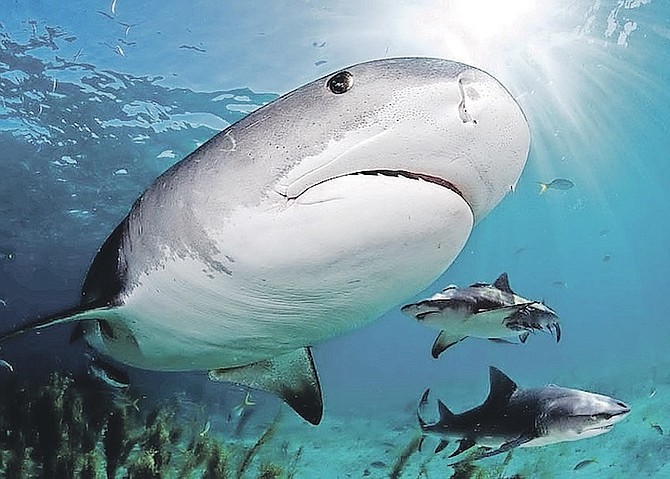
A landmark scientific investigation has revealed alarming evidence of human pollution infiltrating marine ecosystems through apex predators. Researchers from the Cape Eleuthera Institute and international partners have documented the first global detection of caffeine and acetaminophen in shark bloodstreams, alongside the initial discovery of cocaine and diclofenac in Bahamian sharks.
The peer-reviewed study, published in Environmental Pollution, analyzed blood samples from 85 sharks across five species inhabiting nearshore waters around Eleuthera. The comprehensive screening identified four contaminants—caffeine, cocaine, acetaminophen, and diclofenac—present in 28 specimens spanning three species: Caribbean reef sharks, Atlantic nurse sharks, and lemon sharks.
Caffeine emerged as the most prevalent compound, detected in 27 sharks across all three affected species. Cocaine was identified in two sharks, while the pain reliever acetaminophen and anti-inflammatory diclofenac appeared in three sharks and multiple species respectively. The contamination pattern exhibited strong geographical correlations, with the Aquaculture Cage site showing the highest concentration levels, particularly in Caribbean reef sharks.
Researchers attribute this contamination distribution to localized human activities rather than species-specific factors. The affected sites, including Boathouse Cut and Kemps Creek, experience significant tourism-related traffic, with liveaboard vessels and diving excursions potentially contributing to wastewater discharge in offshore environments.
The physiological analysis revealed metabolic variations between contaminated and uncontaminated sharks. Caribbean reef sharks with detectable contaminants showed reduced urea and elevated lactate levels, while Atlantic nurse sharks exhibited lower triglycerides. Lemon sharks demonstrated decreased triglyceride and lactate levels when contaminated.
Although the study doesn’t establish direct causation between contaminants and health impacts, these metabolic shifts suggest potential stress responses or altered physiological functioning. The research underscores how tourism development, vacation homes, and wastewater discharge introduce pharmaceuticals and stimulants into marine food webs, with caffeine serving as a particularly significant indicator of human-sourced pollution.
The findings carry substantial implications for The Bahamas’ marine conservation efforts and shark-diving tourism industry, highlighting the invisible penetration of human pollutants even in seemingly pristine marine environments.