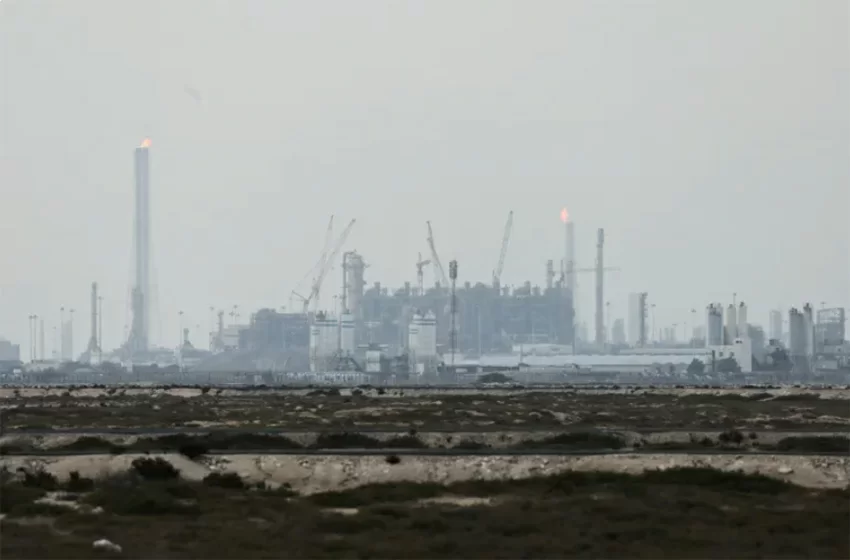
Middle Eastern tensions reached a critical juncture on Wednesday as Iran launched missile strikes targeting the massive Pars gas field—a cornerstone of global energy infrastructure—while simultaneously damaging Qatar’s Ras Laffan Industrial City, the world’s largest liquefied natural gas (LNG) production complex. Saudi Arabia reported intercepting four ballistic missiles targeting Riyadh and neutralizing a drone attack on eastern gas facilities.
This escalation occurs amid unprecedented disruptions to global energy markets, driving Brent crude prices up approximately 5% to exceed $108 per barrel. The United States witnessed diesel prices surge above $5 per gallon for the first time since the 2022 inflation peak, triggering declines across worldwide stock exchanges.
The assault on the Pars field—shared between Iran and Qatar—was widely attributed in Israeli media to an Israeli operation potentially conducted with U.S. approval, though neither nation has formally claimed responsibility. Iranian authorities confirmed strikes hit gas storage facilities and refinery sections, with fires now contained and no casualties reported.
Qatar issued strong condemnation, labeling the attacks “dangerous and irresponsible” with severe implications for global energy security. Doha declared Iranian military and security ambassadors persona non grata, ordering their departure within 24 hours.
Iran subsequently threatened additional strikes against prominent oil and gas facilities across the Gulf region—including refineries in Saudi Arabia and the United Arab Emirates, plus Qatari petrochemical complexes—unless immediate evacuations occurred.
The Strait of Hormuz, transit route for approximately 20% of global oil and LNG exports, remains closed since February 28th conflict initiation. While consumers hope for temporary disruptions assuming production infrastructure remains intact, current attacks amplify uncertainty.
Regional tensions intensified following Israel’s recent assassinations of two high-ranking Iranian security officials, prompting Iranian retaliatory strikes against Israeli targets and U.S. bases across Gulf states that resulted in multiple casualties.
Qatar’s Ras Laffan fire is contained with no fatalities reported, though production remains suspended. The complex supplies roughly 20% of global LNG markets, playing pivotal roles in Asian and European energy balances. Experts warn sustained high prices and further supply chain disruptions are likely.
Simultaneously, the UAE neutralized dozens of Iranian rockets and drones while Saudi Arabia reported additional interceptions of ballistic missiles. Affected regional gas facilities temporarily halted operations without casualty reports.
The European Union advocates for secure Strait of Hormuz passage and diplomatic conflict resolution, while the U.S. government prepares measures to curb rising fuel prices.