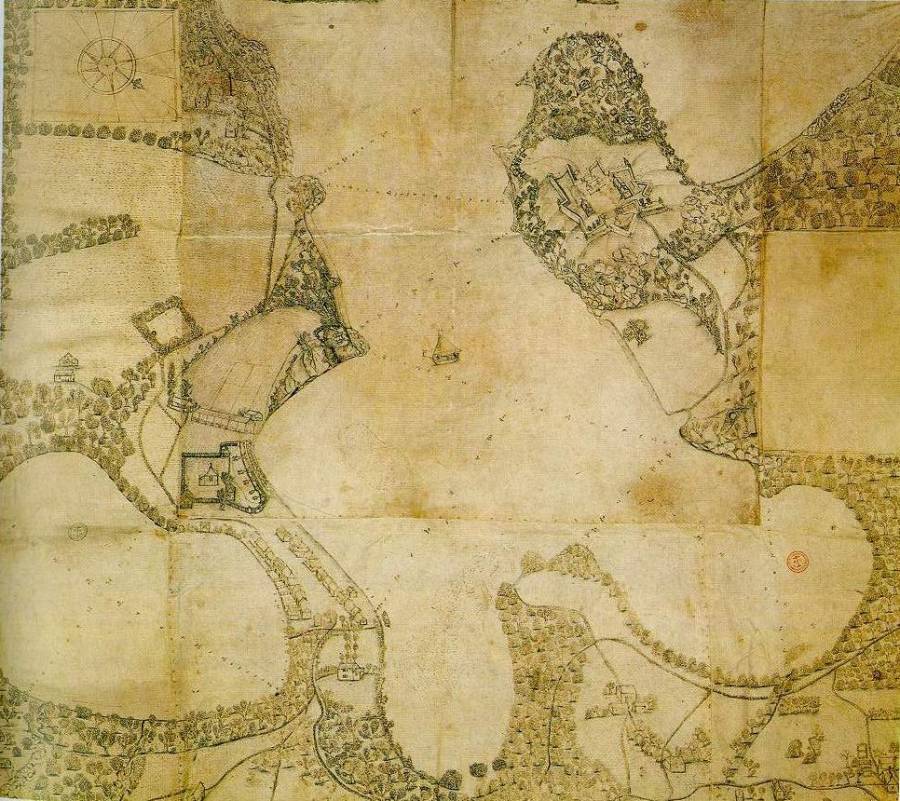
March 18, 1649, marks a pivotal moment in Caribbean history when French colonists from Martinique initiated the first successful European settlement on the island of Grenada. This expedition, led by Governor Jacques Dyel du Parquet, culminated in a landing at St. George’s Harbor following decades of failed colonization attempts by various French adventurers.
The strategic push for Grenada’s colonization emerged from its perceived economic potential and proximity to South American trade routes. Prior efforts by prominent figures including Phillip de Poincy (1639/40) and Jean Aubert (1643) had collapsed due to Carib resistance and logistical challenges. In 1645, Philibert de Noailly received a gubernatorial commission but similarly failed to establish a foothold.
Du Parquet’s meticulously planned operation departed Martinique on March 14, 1649, with two vessels and two barks carrying 45 colonists, construction materials, and military supplies. After anchoring offshore on March 17, the French established Fort l’Annunciation on March 25, formally claiming the territory through a ceremonial act of possession.
Initial encounters with the indigenous Island Carib population involved tense negotiations rather than immediate conflict. French accounts claiming Chief Kairoüane sold Grenada for trivial trade goods like beads and brandy are contradicted by historical evidence showing the Caribs understood the interaction as trade, not land transfer. The chief’s subsequent banishment by his people for failing to expel the French further undermines the legitimacy of these colonial claims.
The French rapidly developed agricultural settlements, cultivating both subsistence and cash crops. By June 1650, du Parquet had purchased Grenada, Martinique, St. Lucia and the Grenadines from the bankrupt Compagnie des Isles de l’Amérique for approximately £1,660, retroactively legitimizing French control.
Peaceful coexistence proved短暂 as Carib resistance intensified within seven months of settlement. The establishment of a second French settlement at Beausejour triggered a decade-long conflict featuring guerrilla warfare, ambushes, and bloody confrontations. The French ultimately prevailed through military superiority, systematically reducing the indigenous population and eliminating organized resistance.
This colonial acquisition fundamentally altered Grenada’s demographic and cultural landscape, initiating the displacement and destruction of the island’s original inhabitants that would continue through the colonial era.