Amidst Jamaica’s implementation of a Special Consumption Tax (SCT) on sugary beverages, corporate giant GraceKennedy Limited is championing an alternative strategy for promoting public health. The food and financial conglomerate asserts that incentivizing product reformulation would yield more substantial long-term health benefits than relying predominantly on taxation mechanisms.
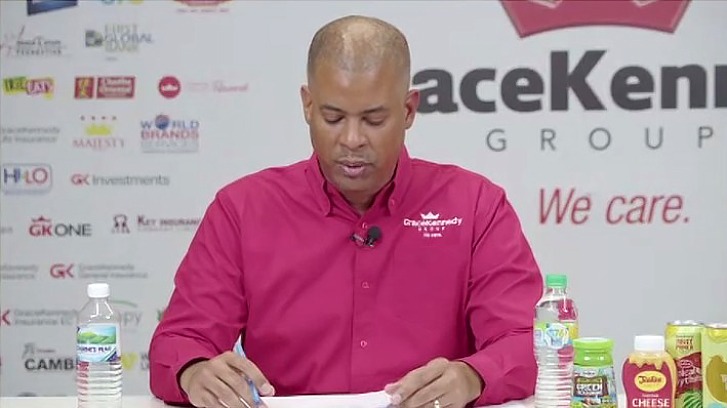
Frank James, Group Chief Executive Officer of GraceKennedy, articulated this position during a recent investor briefing. While clarifying that the company does not oppose the government’s new fiscal measure, James emphasized that policies encouraging manufacturers to systematically reduce sugar content could drive more meaningful behavioral change. “We are mindful of the Government’s drive around health,” James stated, “but we have been doing that already.”
James proposed restructuring the SCT to incorporate a differential taxation model based on sugar concentration, arguing that the current flat-rate levy fails to adequately incentivize manufacturers to alter product compositions. “What we would certainly encourage is that the SCT is structured in a way that promotes reformulation — pushing manufacturers to lower the sugar content in their products,” he explained. “I think that is something that would drive the behaviour we want.”
The concept of reformulation represents a strategic process wherein manufacturers modify product recipes, compositions, or production methodologies. Particularly prevalent in food, beverage, and pharmaceutical sectors, this approach enables companies to enhance nutritional profiles by reducing salt, sugar, or fat content while preserving flavor and quality. GraceKennedy, as a manufacturer of sweetened beverages, has reportedly been engaged in such initiatives long before the SCT announcement, exploring methods to reduce sugar across multiple product categories while maintaining consumer appeal.
The government’s taxation measure, introduced as part of broader budgetary financing efforts, has generated polarized responses. Health advocates have largely welcomed the intervention, while manufacturers have questioned its effectiveness and equity. Critics argue the levy disproportionately targets the beverage sector and may adversely affect lower-income consumers.
This perspective found reinforcement from Opposition Finance Spokesman Julian Robinson during parliamentary budget debates. Robinson contended that mandated reformulation requirements with implementation timelines would more directly reduce sugar consumption than taxation alone. “If the Government’s concern is about reducing sugar consumption and improving health outcomes, it has a more effective instrument available to it,” Robinson asserted.
Scheduled to take effect in May 2026, the flat-rate levy of $0.02 per milliliter applies to beverages containing added sugars or sweeteners, encompassing sodas, fruit-flavored drinks, and other non-alcoholic beverages—whether carbonated or non-carbonated, locally produced or imported. Projected to generate approximately $10.1 billion in revenue, the policy fundamentally operates as a public health measure targeting products associated with noncommunicable diseases including obesity, diabetes, and cardiovascular conditions.