KINGSTON, Jamaica — Jamaica’s economy experienced a notable shift in February as the nation recorded a monthly deflationary period, primarily driven by a significant downturn in food prices. Official data from the Statistical Institute of Jamaica (STATIN) revealed a 0.9 percent contraction in the All-Jamaica Consumer Price Index, marking a temporary economic anomaly that provided financial respite to consumers.
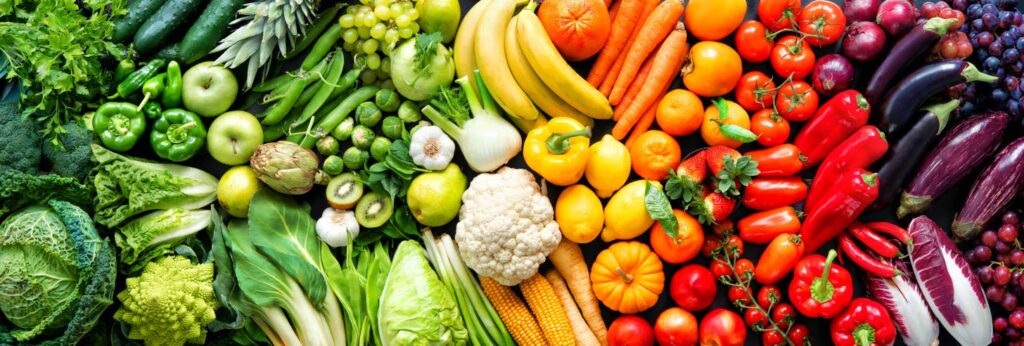
The most substantial price collapse occurred within the food and non-alcoholic beverages sector, which witnessed a 2.5 percent overall decrease. This downturn was overwhelmingly fueled by an extraordinary 11.3 percent plunge in the cost of vegetables, tubers, plantains, cooking bananas, and pulses. STATIN analysts attributed this sharp decline to improved supply conditions in domestic markets, specifically noting dramatically lower prices for cabbage, carrot, cucumber, sweet pepper, and tomato.
This deflationary trend in food costs effectively counterbalanced modest increases observed in other essential expenditure categories. The housing, water, electricity, gas, and other fuels segment experienced a 0.2 percent increase, while transport costs rose by an identical margin, partially reflecting elevated electricity and petroleum prices.
Despite February’s monthly price decline, Jamaica maintained positive annual inflation figures. Year-over-year analysis showed consumer prices advanced by 3.9 percent in February compared to the same period in the previous year. The food and non-alcoholic beverages category led this annual increase with 5.1 percent inflation, followed closely by housing utilities at 5.0 percent, and personal care services at 4.1 percent.
Critically, Jamaica’s annual inflation rate continues to remain comfortably within the Bank of Jamaica’s target range of 4 to 6 percent, indicating overall economic stability despite monthly fluctuations in specific commodity categories.