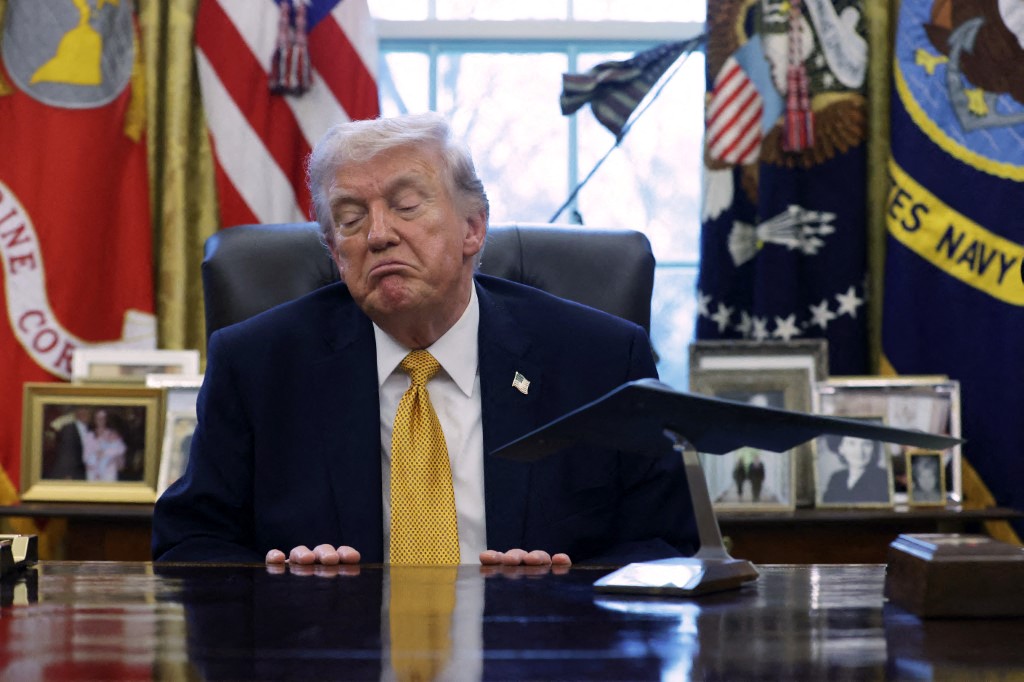
HAVANA, Cuba – In a stark escalation of rhetoric, U.S. President Donald Trump declared his intention to potentially ‘take’ Cuba, capitalizing on the communist nation’s severe economic and energy crisis. The threat was issued as the island of 9.6 million citizens endured a complete national power grid failure, a direct consequence of a stringent U.S. fuel embargo.
Speaking to reporters at the White House, Trump characterized Cuba as a ‘very weakened nation’ and asserted his capability to do ‘anything I want with it.’ This statement represents one of the most unambiguous threats from his administration, which has intensified pressure on Havana following the U.S.-backed ouster of Venezuela’s Nicolás Maduro, a key Cuban ally and oil supplier.
The total electrical blackout, confirmed by Cuba’s Unión Nacional Eléctrica (UNE), is symptomatic of a deeper collapse. The nation’s antiquated power generation infrastructure, crippled by an acute shortage of fuel, has led to daily outages lasting up to 20 hours in some regions. This energy deficit has forced the rationing of gasoline and compromised hospital services, while also dealing a severe blow to the vital tourism industry by curtailing airline flights.
In a significant policy shift aimed at mitigating the economic stranglehold, senior Cuban economic official Oscar Perez-Oliva announced that the government is now open to investment and business ownership by Cuban exiles residing in the United States. This move is seen as both an economic relief measure and a concession to long-standing U.S. demands for market liberalization.
The compounding crises of blackouts and shortages of food and medicine have ignited public unrest. Recent protests have included the vandalism of a provincial Communist Party office and nightly demonstrations where residents bang pots and pans while chanting ‘Libertad’ (freedom).
While Cuban President Miguel Díaz-Canel acknowledged the public’s ‘discontent’ over the blackouts, he condemned the associated violence. Concurrently, Trump framed the U.S. fuel blockade as a response to an ‘extraordinary threat’ from Cuba, suggesting a potential deal could be imminent following the resolution of tensions with Iran.