Cuban President Miguel Díaz-Canel Bermúdez has declared the nation’s perpetual indebtedness to its “legacy of dignity” during commemorations marking the 148th anniversary of the Baraguá Protest. The historic event, regarded as one of Cuba’s most principled acts, continues to shape the country’s political ethos and resistance against external pressures.
In a series of official statements and social media posts, Cuba’s highest leadership collectively emphasized the enduring significance of General Antonio Maceo Grajales’ 1878 defiance against peace agreements that would compromise Cuban independence. President Díaz-Canel characterized the Baraguá Protest as embodying the “spirit of resistance” that remains the nation’s “non-negotiable compass” in contemporary geopolitics.
The President invoked Maceo’s legendary declaration—”We do not understand each other”—describing it as a perpetual mandate to “break the circle” in defense of national sovereignty. This historical reference was echoed throughout the government, with National Assembly President Esteban Lazo Hernández labeling the event an “emblem of Cuban steadfastness” and Prime Minister Manuel Marrero Cruz asserting that Maceo’s stance “raised the nation’s flags to their highest point.”
Roberto Morales Ojeda, Secretary of Organization of the Central Committee, drew direct parallels between historical and contemporary challenges, stating that any modern attempts to undermine Cuban sovereignty would “clash with the same wall of principles as at Baraguá.” The leadership collectively contrasted Maceo’s revolutionary integrity with what they termed “zanjoneros”—a reference to those who advocated compromise in the past and present.
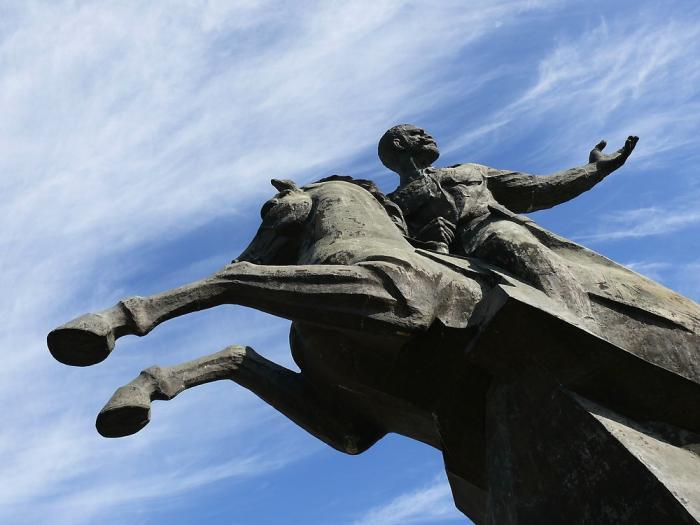
The commemorations, centered around Santiago de Cuba’s Revolution Square where a monument to Maceo stands, reinforced the government’s position that the Baraguá Protest remains a living force mobilizing national consciousness. The leadership explicitly connected this historical legacy to Fidel Castro’s political philosophy, framing Cuba’s future as “an eternal Baraguá” in its unwavering defense of independence and revolutionary principles.