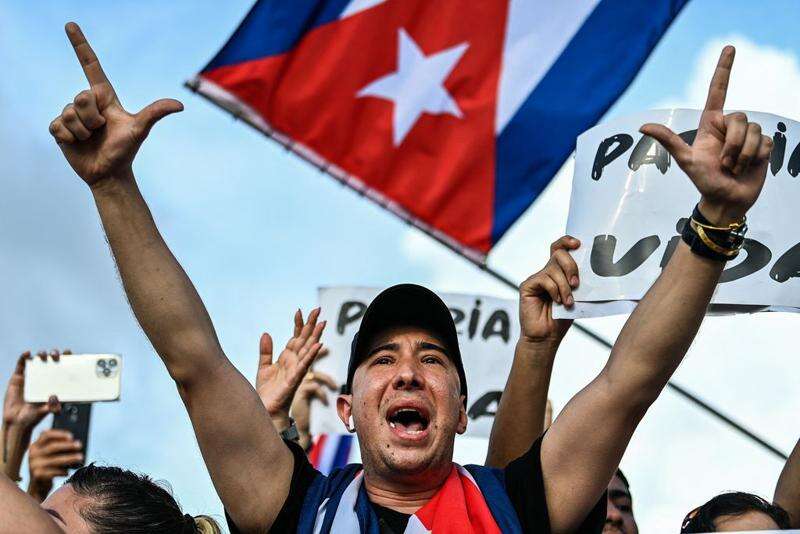
In a significant policy reversal, Cuban authorities announced Monday that expatriate citizens will now be permitted to invest in and own businesses on the island nation. The landmark decision comes as Cuba’s economy faces severe strain from prolonged US sanctions and recent oil embargoes.
Oscar Perez-Oliva, Cuba’s Foreign Trade Minister and Deputy Prime Minister, confirmed the reform in an interview with NBC News, stating the government seeks “fluid commercial relationships” with both US corporations and Cubans residing abroad. The announcement represents a dramatic shift from decades of restrictive economic policies, particularly toward the exile community in Miami that has historically opposed the communist government.
The reform initiative aims to revitalize critical economic sectors including tourism and mining, while addressing infrastructure challenges, notably the aging electrical grid responsible for frequent nationwide blackouts. This opening to diaspora investment marks a pragmatic response to Cuba’s deepening economic crisis, exacerbated by the Trump administration’s intensified pressure campaign.
President Donald Trump acknowledged ongoing negotiations with Cuba, suggesting potential developments “pretty quickly” after addressing US concerns with Iran. The comments follow Cuban President Miguel Diaz-Canel’s confirmation of bilateral talks regarding “differences” between the two nations.
The economic liberalization measure coincides with severe fuel shortages resulting from the termination of Venezuelan oil subsidies and Trump’s embargo policies, pushing Cuba’s already fragile economy toward potential collapse. The reform signals Havana’s willingness to engage previously antagonistic diaspora communities as it seeks economic stabilization amid mounting external pressures.