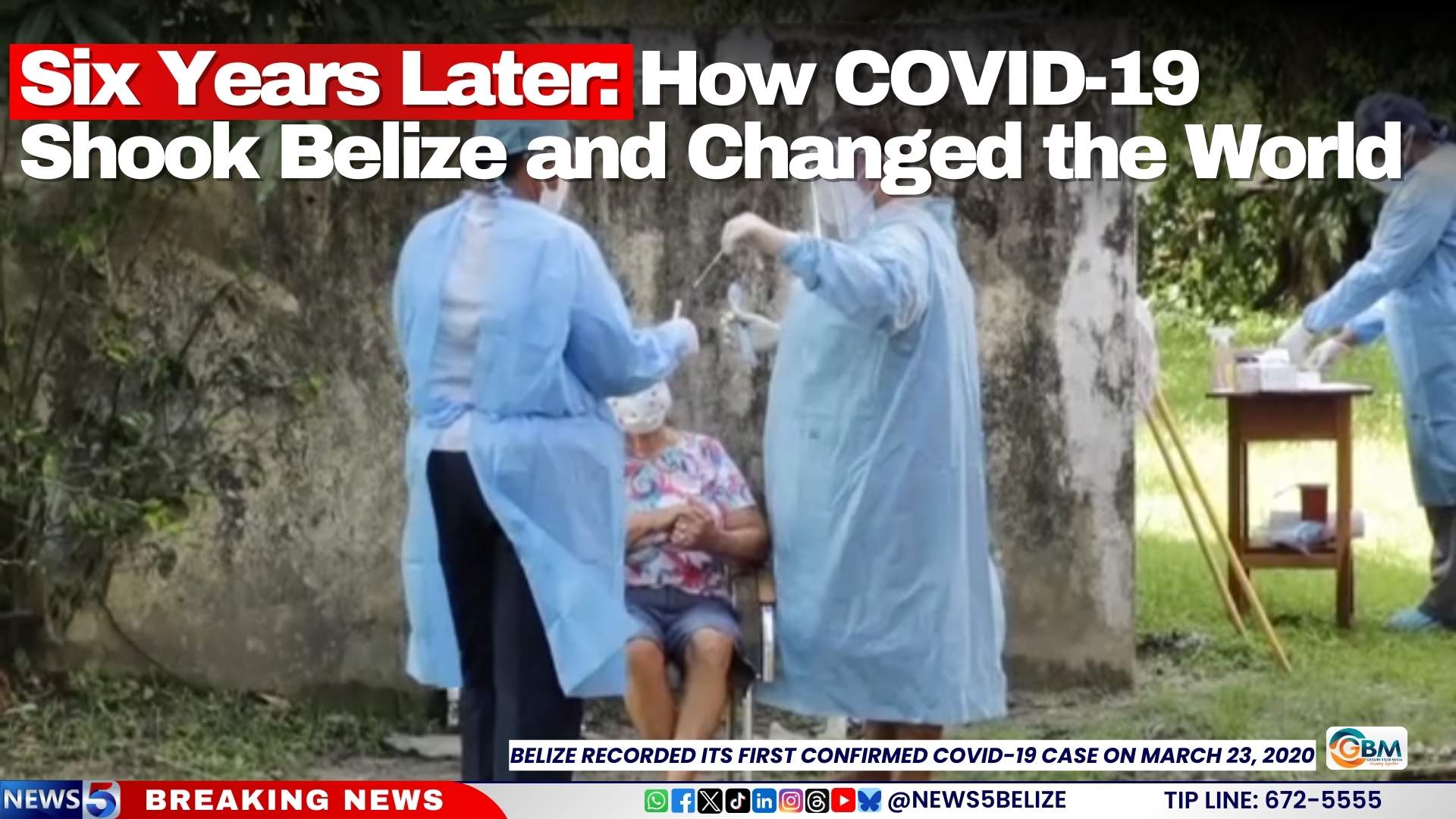
March 12, 2026 marks six years since the World Health Organization’s historic declaration of COVID-19 as a global pandemic—an announcement that triggered unprecedented challenges worldwide. For Belize, a Caribbean nation of approximately 400,000 people with heavy dependence on tourism and cross-border trade, this moment initiated a profound socioeconomic transformation.
The initial containment measures appeared successful initially, with Belize recording only 48 confirmed infections and two deaths by July 2020 according to United Nations Development Programme data. However, the situation deteriorated dramatically by summer 2020 when a major domestic outbreak surged through northern districts, eventually giving Belize one of the Caribbean’s highest per capita case and death rates according to IMF metrics.
Tourism—contributing 40% of GDP and 60% of foreign exchange earnings—suffered catastrophic collapse. Tourist arrivals plummeted 72% in 2020, triggering a 14.1% GDP contraction. The government implemented emergency social programs including the Belize COVID-19 Cash Transfer program, unemployment relief funds, and expanded food assistance initiatives.
Healthcare infrastructure faced immense strain despite international support. The Pan American Health Organization facilitated procurement of over 50,000 test kits and 250,000 laboratory supplies. Critical assistance came from multiple nations: India provided $1 million for medical equipment, Mexico donated 400,000 AstraZeneca vaccine doses, and the UAE contributed 10,000 Sinopharm doses.
Belize achieved the fourth-fastest vaccination rollout in Central America, administering over 73,000 doses by June 2021 primarily through COVAX mechanisms. The phased tourism reopening beginning August 15, 2020 with mandatory testing represented among the region’s earliest restart attempts.
Six years later, recovery shows promising indicators with overnight visitor arrivals surging approximately 70% in 2022. However, structural vulnerabilities persist in healthcare capacity and economic diversification. The social legacy includes business closures, employment losses, mental health challenges, and educational disruptions with generational impacts.
Globally, the pandemic accelerated scientific innovation—notably mRNA vaccine development within 11 months of viral sequencing—while exposing health inequalities. The WHO reports mixed progress on pandemic preparedness, noting meaningful advances including the 2025 Pandemic Agreement and $1.2 billion Pandemic Fund distribution to 98 countries, but warning these gains remain fragile amid shifting political priorities.