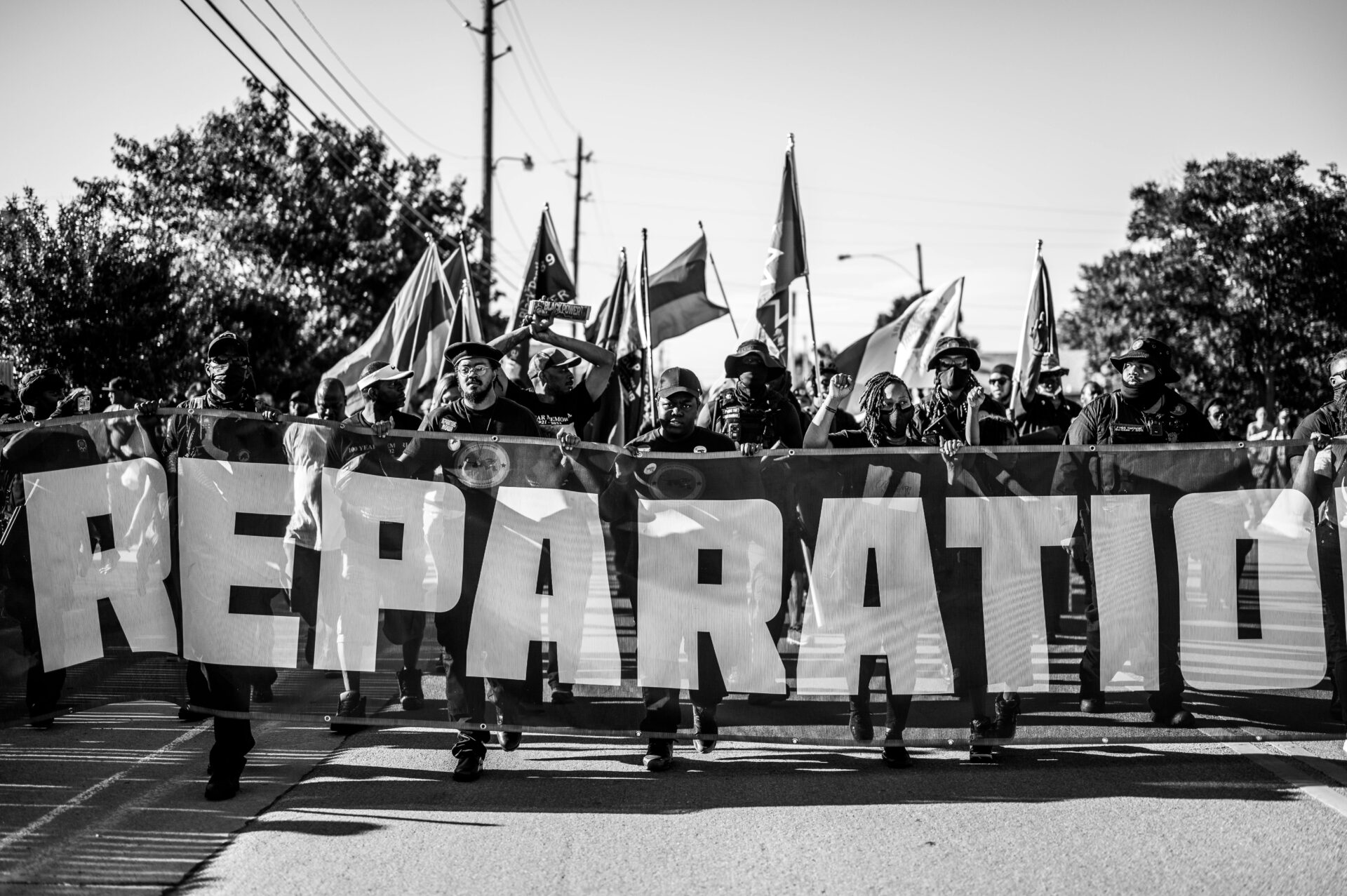
The 2026 International Reparation Debate Competition (IRDC), hosted by the Centre for Reparation Research at The University of the West Indies, has concluded its preliminary rounds following days of intellectually rigorous discourse. Secondary school delegations from Jamaica, Trinidad and Tobago, The Bahamas, Guyana, and the United Kingdom engaged in profound examinations of reparatory justice, addressing dimensions from economic policy and historical accountability to cultural restoration and political diplomacy.
This academic tournament now advances to its knockout phase commencing March 16, where remaining institutions will confront increasingly complex questions regarding colonial legacies and contemporary justice. Early rounds demonstrated exceptional rhetorical skill, with Trinidad and Tobago’s Arima North Secondary successfully arguing against debt cancellation as reparations versus Jamaica’s Charlemont High. Jamaica’s Merl Grove High secured a narrow victory against Guyana’s Queen’s College debating whether Caribbean economic advancement is feasible without reparative measures.
Notable preliminary achievements included Trinidad’s Goodwood Secondary advocating strengthened post-colonial alliances against The Bahamas’ C.V. Bethel Senior High, while San Fernando Central Secondary prevailed over Jamaica’s Knox College regarding infrastructural development as reparative action. Defending champions St Joseph’s Convent Port of Spain (Trinidad) maintained dominance alongside triumphs by Presentation College Chaguanas, Fatima College, and Herbert Morrison Technical High.
Second-round highlights featured Trinidad’s Queen’s Royal College overcoming Jamaica’s Wolmer’s Boys’ School regarding diplomatic versus confrontational reparations advocacy. The UK’s Rawlins Academy delivered a compelling argument that reparations fundamentally concern dignity restoration beyond economic compensation, defeating Presentation College Chaguanas.
Individual excellence was exemplified by Kennedy Valley of Fatima College achieving the highest speaker score during preliminaries. The competition provides Caribbean youth with crucial platforms for developing research, advocacy, and public speaking competencies while critically examining historical justice frameworks. With expanded international participation including returning UK institutions, all debates are streamed globally via the Centre’s YouTube channel.