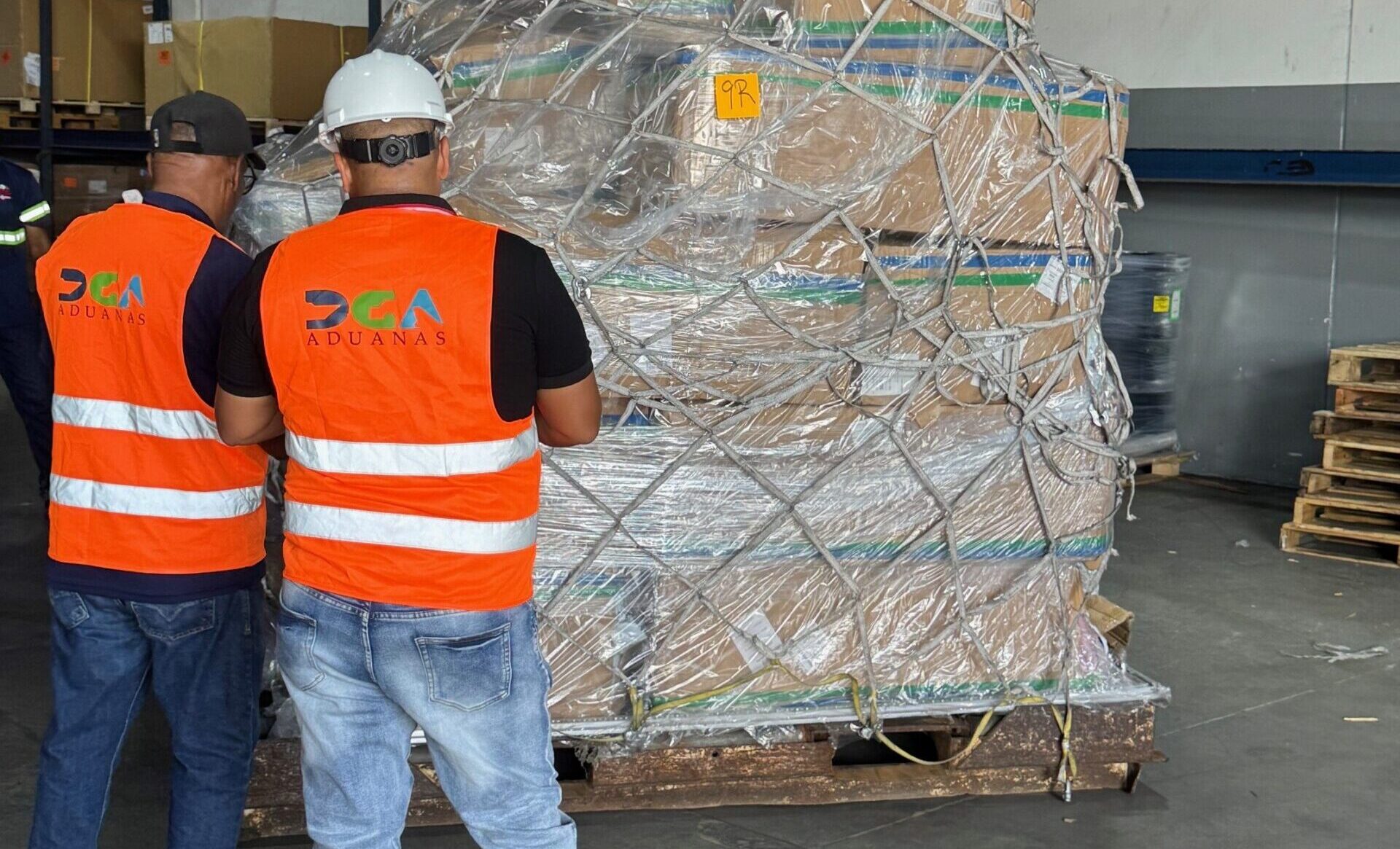
A coordinated international customs operation across the Caribbean region has yielded substantial results in combating transnational organized crime, with authorities intercepting over 500 illicit firearms and drug shipments during a three-week security initiative. Operation CALYPSO 2, spearheaded by the World Customs Organization (WCO) in collaboration with CARICOM’s Implementation Agency for Crime and Security (IMPACS), demonstrated enhanced regional cooperation capabilities against escalating security threats.
The intensive campaign, conducted from November 24 to December 12, 2025, represented the most successful iteration of the WCO’s Project Bolt initiative to date. Participating nations reported 402 incidents involving prohibited items, including 119 small arms and light weapons alongside 332 firearm components. Particularly alarming was the seizure of 21 military-style assault rifles—a significant increase from just six captured during the previous year’s operation.
Enhanced intelligence sharing and coordinated enforcement actions among 22 participating countries, including 18 WCO member states and the Caribbean Joint Intelligence Office, proved instrumental in disrupting criminal networks. The operation benefited from strategic partnerships with INTERPOL, the Regional Security System, SEACOP, and the United Nations Office on Drugs and Crime, with financial backing from the U.S. Department of State’s Bureau of International Narcotics and Law Enforcement Affairs.
Notable operational successes included the British Virgin Islands’ interception of a vessel smuggling 772 kilograms of cocaine, resulting in six arrests and significant disruption of transnational trafficking routes. Saint Lucian authorities uncovered auto-sear components concealed within baby products—devices capable of converting semi-automatic pistols into fully automatic weapons favored by criminal organizations.
The operation employed advanced technological tools including the WCO’s CENcomm platform for real-time intelligence sharing and data visualization techniques to identify emerging threats, including rising opioid trafficking. Customs officials utilized specialized training in X-ray inspection, vehicle searches, and database management to enhance detection capabilities for weapons parts and illicit goods.
WCO Secretary General Ian Saunders emphasized the operation’s significance: ‘Operation CALYPSO demonstrates the concrete impact Customs delivers daily to protect society. Through coordinated regional and international action, officers intercepted illicit firearms and drugs before they could reach Caribbean communities, disrupting organized crime at its source.’
The operation’s success underscores the critical importance of international cooperation in border security, with future efforts focused on analyzing seizure data to refine risk assessments and develop regional capacity against evolving criminal methodologies.