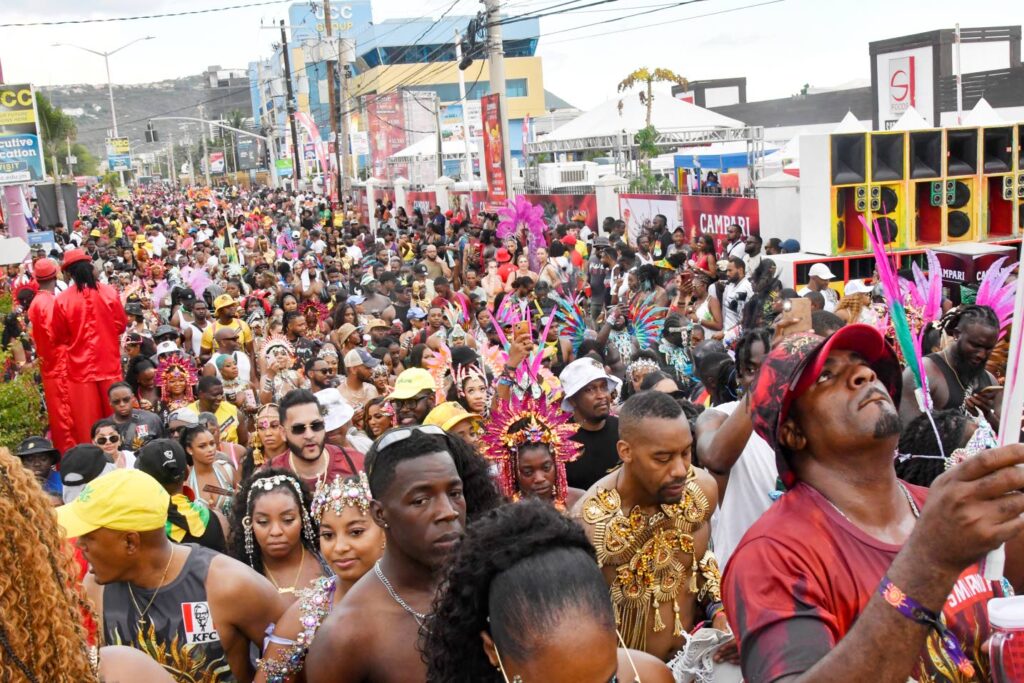
Jamaica’s Carnival has demonstrated extraordinary economic prowess, with Tourism Minister Edmund Bartlett revealing the 2025 event generated a staggering $7.7 billion in direct expenditure and an overall economic impact of $165.7 billion. This represents a remarkable 48% revenue increase compared to 2024 figures, signaling the event’s growing significance within Jamaica’s tourism landscape.
During a media briefing at Jamaica Pegasus hotel in New Kingston, Bartlett emphasized the symbiotic relationship between entertainment and tourism, noting that Carnival has evolved into a powerful economic engine. The festival has not only returned to pre-pandemic performance levels but has substantially exceeded them, with 2024 having generated $4.42 billion in direct spending and $95.4 billion in total economic impact.
International visitors demonstrated significantly increased spending patterns, with overseas revellers averaging US$5,320.89 per person in 2025—a substantial rise from US$3,209 per person the previous year. This resulted in total direct spending reaching approximately US$23.6 million ($3.76 billion). The event’s appeal was particularly evident among first-time visitors, with 78.7% indicating they traveled specifically for Carnival, while an impressive 87.7% of repeat visitors cited the festival as their primary motivation.
Bartlett highlighted that Carnival’s expanding influence has played a crucial role in Jamaica’s broader tourism recovery following Hurricane Melissa’s devastation in October. The sector has rebounded dramatically, currently reaching approximately 75% of projected visitor arrivals in the post-storm months. Bartlett projected full recovery by winter, extending into 2027, with current figures surpassing initial projections.
The minister credited entertainment-driven events like Carnival and the recently concluded Lost in Time Festival for fueling tourism’s resurgence. With an extensive calendar of parties culminating in the April 12 road parade, Carnival continues to transform Kingston into an economic hub, generating increased demand for accommodation, transportation, food services, and creative talent across the island.