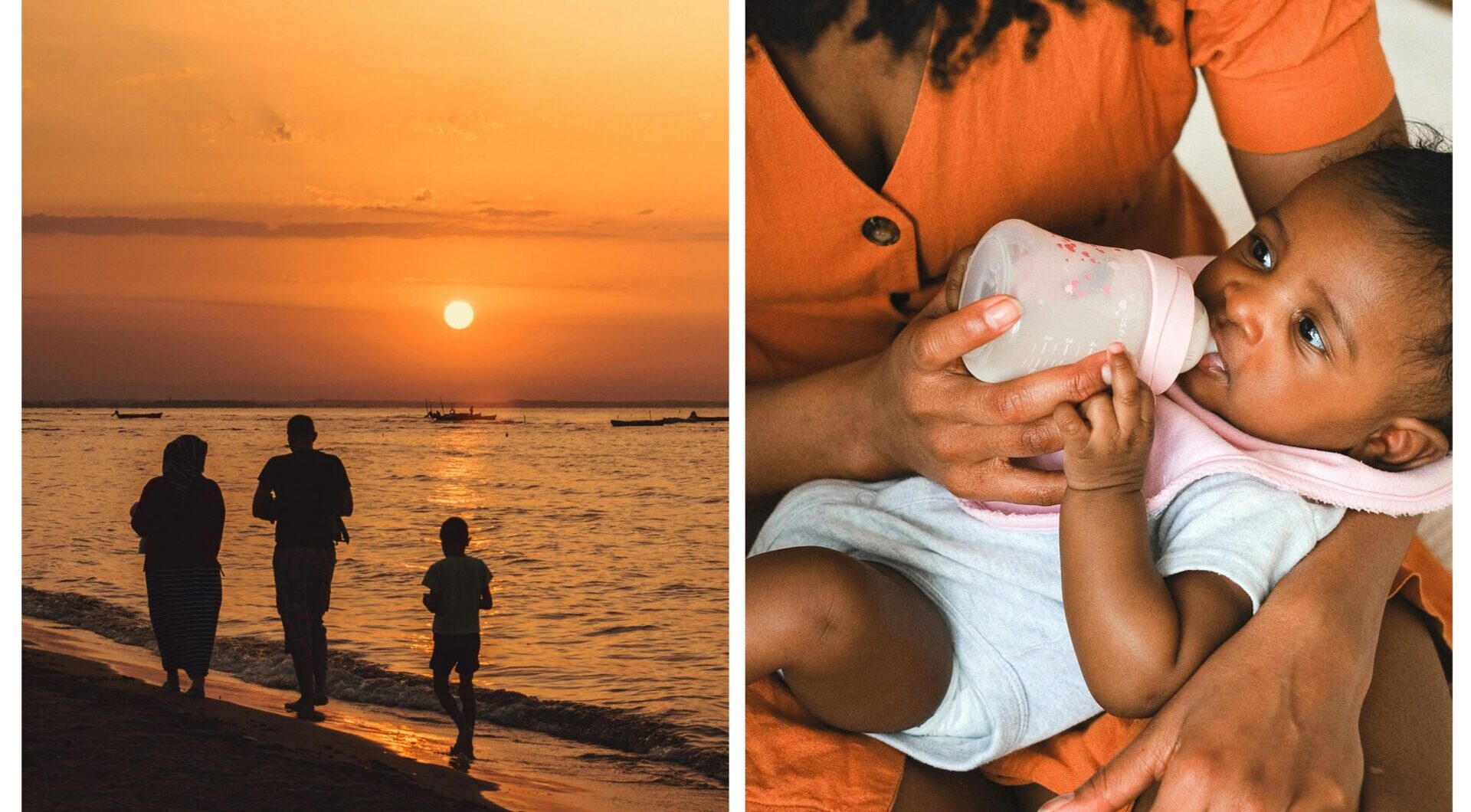
The Commonwealth of Dominica is experiencing a severe demographic crisis characterized by a dramatic decline in birth rates that has reached alarming proportions. According to recent data from China-Friendship Hospital, which handles nearly all births on the island, only 513 births were recorded in 2025—representing a staggering 43% decrease from the already concerning 899 births documented in 2007.
The statistical trajectory reveals an increasingly dire situation. Official records show that in 2022, Dominica registered 658 births against 777 deaths, resulting in a natural population deficit of 119 persons. The following year saw a similar pattern with 657 births and 744 deaths, confirming that mortality now consistently exceeds natality—a reality that has already arrived rather than merely being projected.
This demographic implosion has been decades in the making. Between 1995 and 2008, primary school enrollment collapsed by 42%, while the Social Security system reached a critical point by 2007, paying out 68 cents in benefits for every dollar collected in contributions. The agricultural sector faces similar challenges, with the majority of farmers now over 60 years old, indicating widespread aging across all economic sectors.
An unexpected development has emerged within this crisis: The United States government, under President Trump’s executive orders on deportations, has indicated that Dominica will receive deportees and refugees. While politically sensitive for a sovereign nation, Prime Minister Roosevelt Skerrit has acknowledged the demographic necessity, stating publicly that Dominica’s population has become dangerously insufficient.
The critical question now centers on the composition of incoming migrants rather than whether they should be accepted. Dominican authorities must urgently negotiate for families with children, as each settling family with two or three children directly addresses the birth deficit, refills classroom seats, adds future Social Security contributors, and establishes rooted community households. Conversely, the government should avoid disproportionate numbers of unattached single men, whose integration patterns historically create social pressures that small communities struggle to absorb.
The window for strategic action is narrow—once migration compositions are established through diplomatic channels, they become difficult to restructure. With only 513 births recorded last year, every family with children that settles in Dominica represents a partial solution to the demographic emergency that now defines the nation’s future.