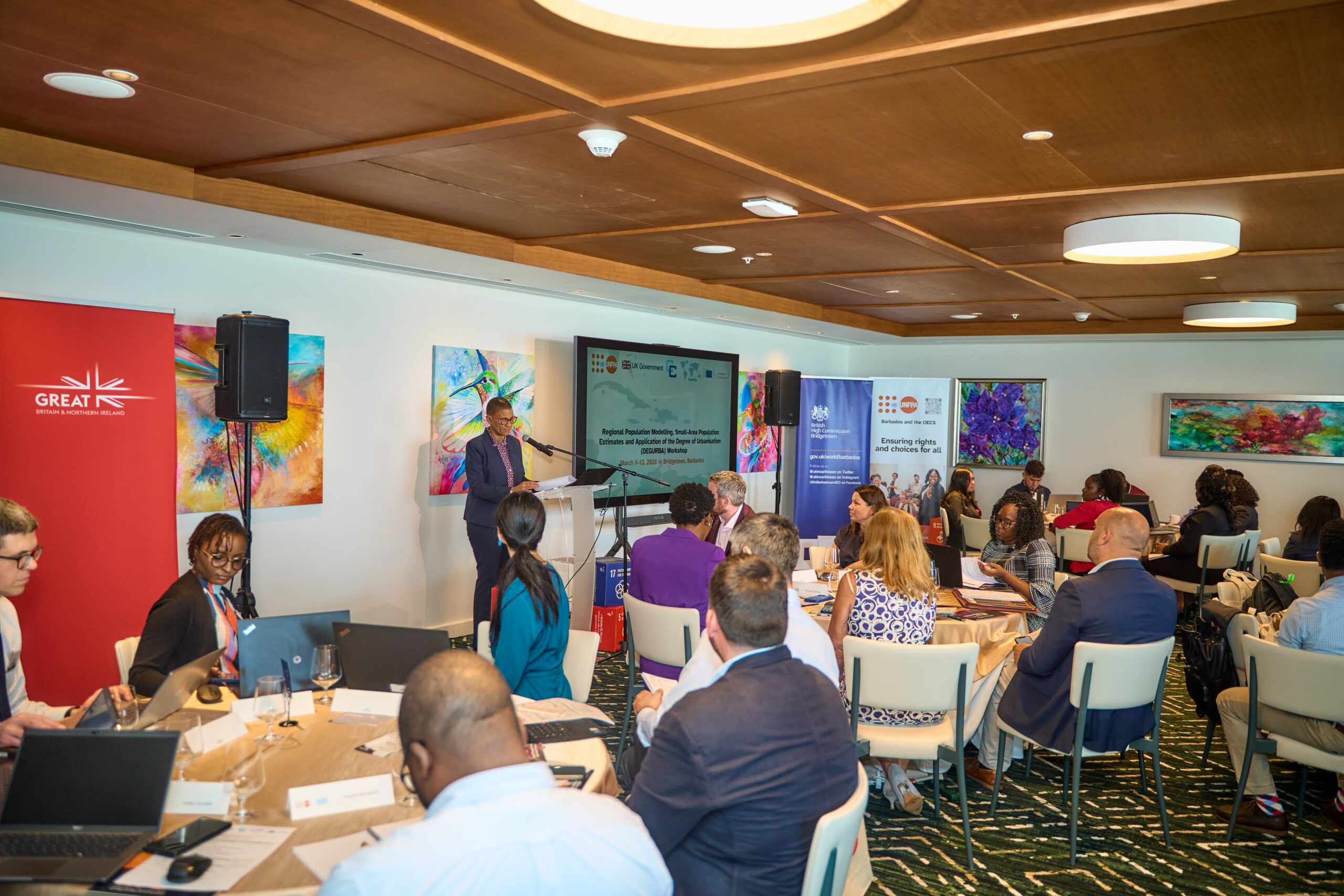
Caribbean governments are embarking on a critical mission to revolutionize their population data systems, recognizing that outdated information frameworks are inadequate for addressing contemporary regional challenges. This urgent call to action was delivered by Jennifer Hunte, Permanent Secretary of Barbados’s Ministry of Economic Affairs and Development, during the inauguration of a landmark regional workshop focused on statistical modernization.
The gathering represents a significant collaborative effort, uniting statistical experts, urban planners, and technical specialists from across CARICOM member states alongside international partners including the United Nations Population Fund (WorldPop), the British Foreign, Commonwealth and Development Office, and the European Commission. This five-day intensive program aims to fundamentally transform how Caribbean nations collect, analyze, and utilize demographic information.
Central to this initiative is the implementation of the internationally recognized Degree of Urbanization (DEGURBA) methodology, which provides standardized frameworks for classifying urban and rural settlements. This harmonized approach addresses a persistent challenge in regional planning: the inconsistent definitions of community types across different jurisdictions that have historically hampered comparative analysis and policy development.
Hunte highlighted Barbados’s progressive policy landscape, citing recently implemented frameworks including the Physical Development Plan Amendment 2023, the National Population Policy 2023-2040, and the Economic Recovery and Transformation Plan 2026. However, she emphasized that these ambitious programs require substantially more granular and reliable data to achieve their objectives effectively.
The Permanent Secretary outlined multiple pressing challenges driving this data revolution, including increasing frequency and intensity of extreme weather events, accelerating population aging, and contracting labor forces. These demographic and environmental pressures necessitate completely reimagined approaches to physical development and resource allocation across the region.
Workshop participants will engage in practical, hands-on training sessions focusing on developing and validating small-area population estimates before advancing to applied DEGURBA methodology implementation. This technical foundation will enable the generation of harmonized settlement classifications and policy-relevant analysis that accurately reflects on-the-ground realities.
Beyond technical skill development, the initiative aims to strengthen institutional capacity within national statistical systems throughout the Caribbean. The ultimate goal is to produce exceptionally detailed, timely, and actionable data that can transform how governments plan services, allocate resources, and address the needs of vulnerable populations—particularly girls, adolescents, youth, and women across Caribbean societies.