Despite facing significant economic constraints, Cuba is demonstrating remarkable innovation in renewable energy adoption, particularly in photovoltaic solar technology. The Caribbean nation is leveraging solar power to transform its industrial operations, achieving substantial energy savings while reducing environmental impact.
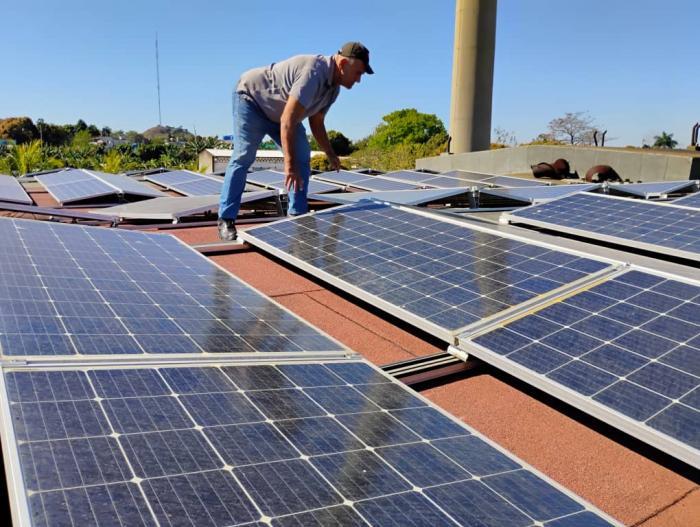
In Villa Clara province, the local dairy industry has emerged as a pioneering example of this sustainable transition. The Villa Clara Dairy Company has implemented a comprehensive solar energy system featuring 400 photovoltaic panels installed across its facility rooftops. This strategic investment has yielded impressive results: the company eliminated its previous daily consumption of 2,200 liters of diesel for milk collection operations, reducing fuel requirements to just 259 liters through optimized transportation logistics.
The technological transformation extends beyond mere fuel conservation. The Santa Clara dairy plant now conducts all milk pasteurization processes using exclusively solar-generated electricity. This shift produced dramatic environmental benefits in 2025 alone, saving 47 tons of diesel fuel while preventing approximately 131 tons of carbon dioxide emissions from entering the atmosphere.
Engineer Gilberto León Gonzalez, Transportation and Energy Director at the dairy company, revealed ambitious expansion plans: “We aim to install 1,364 additional panels this year, which would guarantee 10% of the complex’s total energy consumption for various production processes.” The operation further enhances sustainability through using traditional cooking methods (firewood or charcoal) for employee meals and planning to acquire 18 electric tricycles for internal transportation.
The renewable revolution extends across multiple industries. The “La Purísima” food processing factory, known for its popular mayonnaise and dressings, has installed solar panels to ensure continuous production despite energy challenges. According to Gustavo Benítez Fumero, regional director for the Food and Fishing Industry sector, this represents “the first major investment in the sector’s energy transition,” with additional facilities in Remedios and other locations preparing similar implementations.
Other significant adopters include the UEB Matadero «Chichi Padrón» slaughterhouse, which is installing 272 solar panels to generate approximately 300 kilowatts for its operations, and the “Agustín Rodríguez Mena” Central Rum Distillery in Santo Domingo, which has operated since 2016 using 2,752 panels that generate surplus energy for the national grid.
These developments demonstrate how necessity-driven innovation is enabling Cuban industries to overcome external economic pressures while building more sustainable operational models. The widespread adoption of photovoltaic technology across diverse sectors highlights both the viability and economic benefits of renewable energy solutions in challenging circumstances.