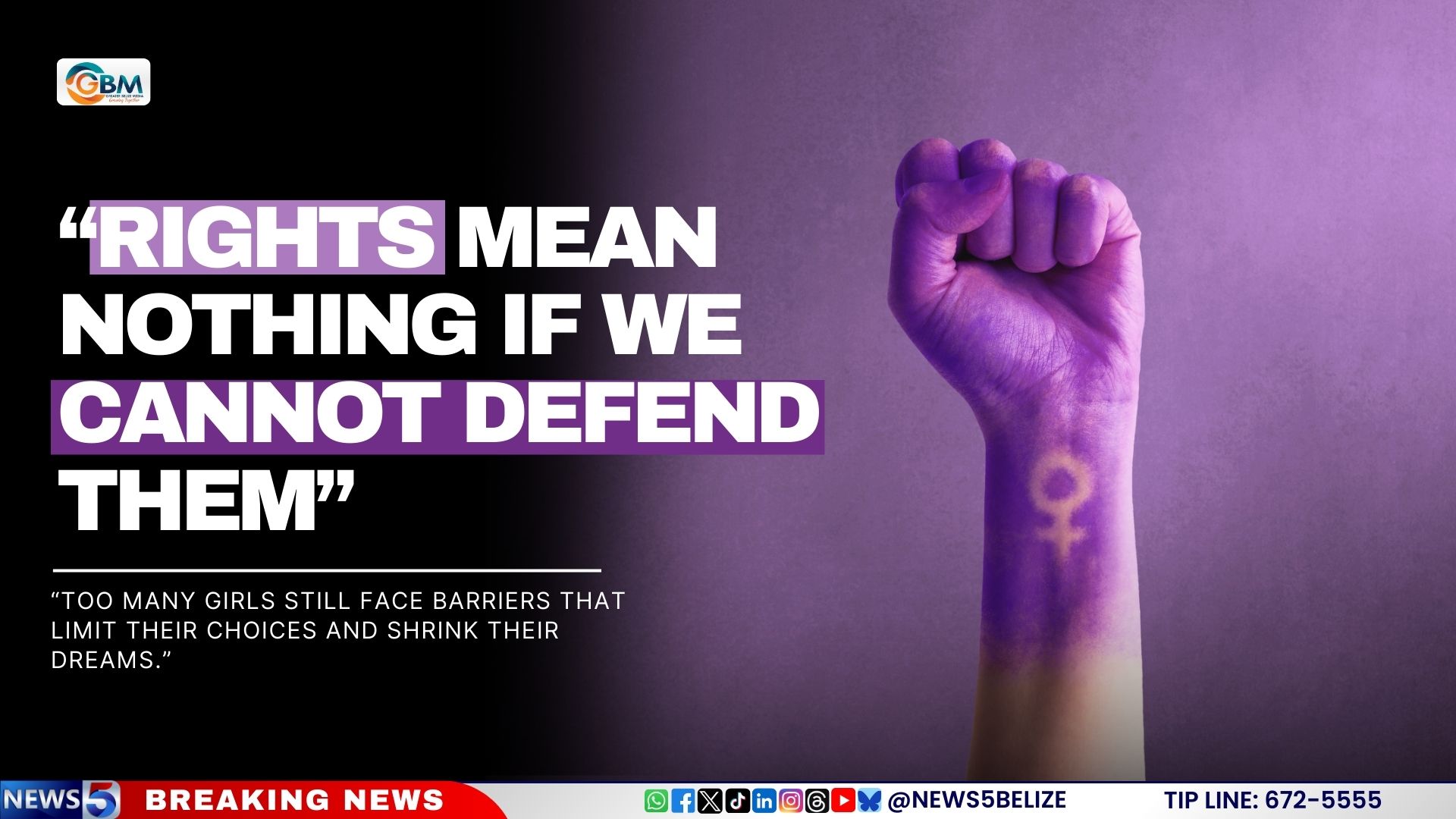
On International Women’s Day 2026, the United Nations issued a sobering assessment of gender equality worldwide, revealing that women and girls continue to face significant legal disparities compared to men. According to UN Women’s annual observance statement, justice systems across the globe are systematically failing female populations through institutional barriers and systemic inequality.
The organization reported that women globally possess merely 64% of the legal rights enjoyed by men, with nearly 70% of surveyed nations maintaining substantial barriers to justice access. Financial constraints represent a primary obstacle, as legal fees, transportation costs, childcare expenses, and lost wages prevent millions from seeking legal recourse.
The crisis is particularly acute in conflict zones, where 676 million women and girls reside within 50 kilometers of active hostilities—areas where justice systems frequently collapse entirely. The UN emphasized that conflict, political repression, and institutional pressure continue to undermine the rule of law, leaving female populations vulnerable.
Despite these challenges, Belize demonstrates notable progress according to UNICEF assessments. The agency highlighted prominent female leaders including Opposition Leader Tracy Taegar-Panton, House Speaker Valerie Woods, Senate President Carolyn Trench-Sandiford, and Governor General Froyla Tzalam as evidence of women’s advancing leadership across educational, political, and governmental spheres.
Nevertheless, UNICEF acknowledged that significant barriers persist for countless women and girls, noting that many continue to face limitations that restrict their opportunities and diminish their aspirations. The organization’s findings underscore the persistent gap between institutional progress and the everyday realities experienced by females worldwide.