The Barbadian government has initiated a comprehensive environmental assessment of the long-abandoned Mobil Oil Refinery site at Aquatic Gap, St Michael, marking a significant breakthrough after nearly thirty years of public concern and environmental uncertainty. Officials confirmed to parliamentary members that modern characterization of the contaminated coastal property is now actively underway, representing a crucial advancement toward eventual remediation and restoration.
The former refinery, which operated for several decades in the Needhams Point area before ceasing operations in the late 1990s, left behind substantial industrial contamination when Mobil departed the island. For generations, the derelict facility has stood as both a symbol of industrial mismanagement and a potential environmental hazard, particularly concerning given its proximity to popular beaches and vital tourism infrastructure.
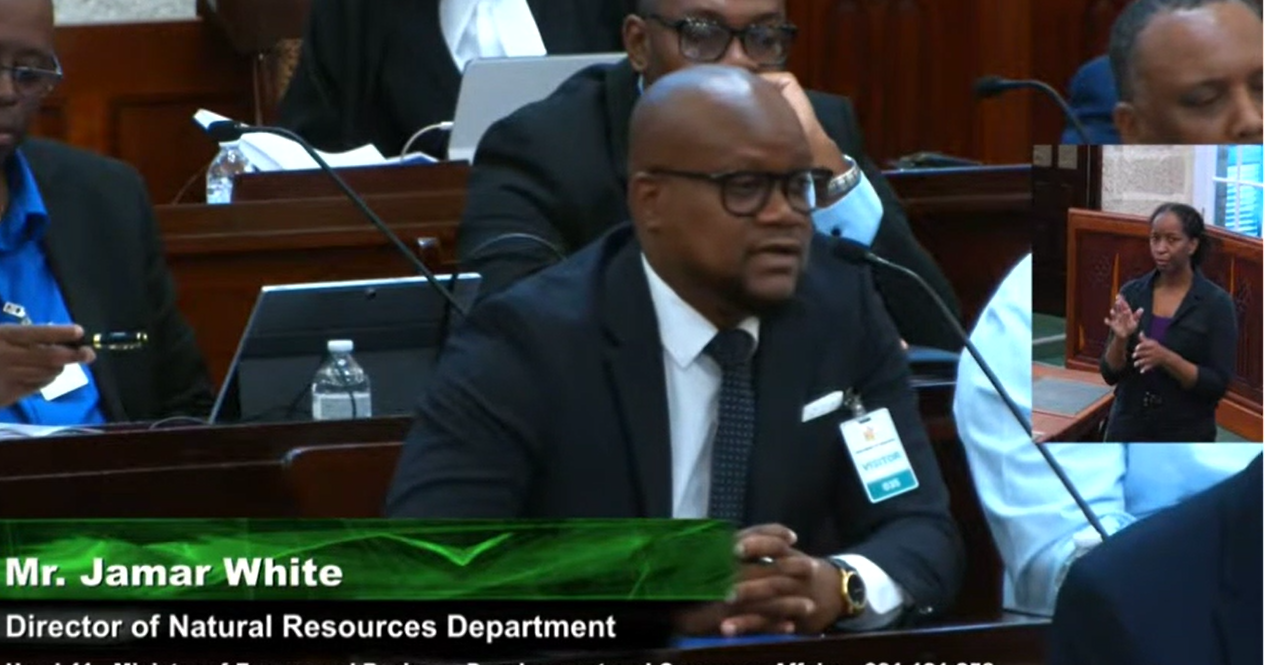
During recent parliamentary estimates, government authorities acknowledged the unreasonably prolonged delay in addressing the site’s contamination, issuing strong criticism regarding the absence of proper decommissioning protocols when the refinery originally closed. Jamar White, Director of Natural Resources at the Ministry of Energy, Business Development and Consumer Affairs, emphasized that previous environmental studies—including one conducted as early as 1998—have become entirely obsolete for contemporary remediation planning.
“Understanding the current contamination levels and their potential impact on surrounding areas became absolutely essential,” White explained. Consequently, the government has engaged an international environmental firm to conduct state-of-the-art site characterization beginning November 2025. The sophisticated process has involved extensive stakeholder consultations alongside the installation of specialized monitoring wells and soil borings to collect precise groundwater and soil samples mapping contamination concentration and distribution.
The government anticipates completion of the comprehensive characterization report between June and July 2026, which will establish a definitive roadmap for remediation by identifying contamination hotspots and recommending internationally recognized cleanup standards. Beyond environmental restoration, officials have begun outlining redevelopment visions for the prime coastal property, noting significant interest from tourism and hospitality investors.
Energy Minister Kerri Symmonds characterized the project as a pivotal governance lesson, pledging that historical mistakes would not be repeated. The ministry is now embedding stringent decommissioning requirements into all new investment agreements, as demonstrated by recent licenses granted to the Barbados Light and Power Company for battery storage initiatives.
Symmonds reflected: “It is a crying shame that between the 1980s and today, we have been forced to endure that situation. The principle of having decommissioning written into all our agreements is something this ministry will be enforcing moving forward.” As technical analysis continues through 2026, the public remains hopeful that the Aquatic Gap site will transition from persistent environmental liability to safe, sustainable space for future generations.