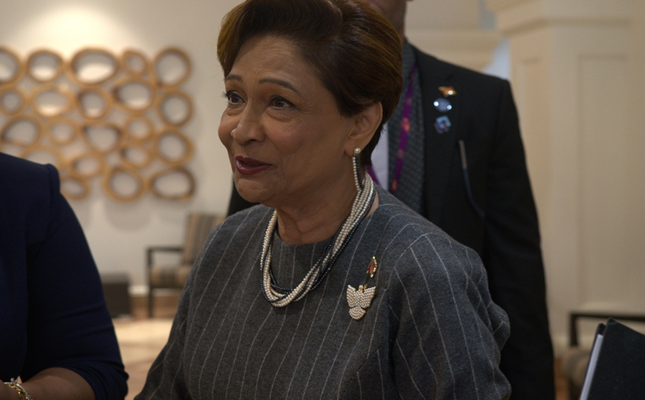
The Government of Trinidad and Tobago has reinstated a 15-day State of Emergency following a concerning escalation in criminal incidents during the recent Carnival season. Prime Minister Kamla Persad-Bissessar announced the decision on Tuesday, March 3rd, 2026, citing specific threats against law enforcement officials and increased gang activity as primary justification for the measure.
This marks the return of emergency powers that had been temporarily suspended in February to accommodate traditional Carnival celebrations. Government data indicates criminal activity had decreased by over 40% during the previous emergency period from June to January, creating a stark contrast to the recent spike observed during the brief suspension.
Prime Minister Persad-Bissessar issued a direct warning to criminal elements: ‘I had previously cautioned gang members and released detainees that law-abiding citizens have reached their limit with criminality. Should they refuse to comply with legal standards, I would not hesitate to implement another State of Emergency.’
Attorney General John Jeremie defended the administration’s position, emphasizing that security operations targeting known offenders are already underway. He characterized the emergency measures as part of a comprehensive strategy, stating, ‘We are implementing this initial approach while simultaneously developing longer-term, sustainable solutions to maintain order, peace, and safety in our society.’
The decision has generated mixed reactions within the business community, with some expressing concerns about potential economic repercussions from emergency restrictions. Trinidad and Tobago has consistently recorded one of the Caribbean’s highest murder rates, creating persistent pressure on governments to address violent crime through decisive measures.
Under the country’s legal framework, any extension beyond the initial 15-day period would require formal parliamentary approval.