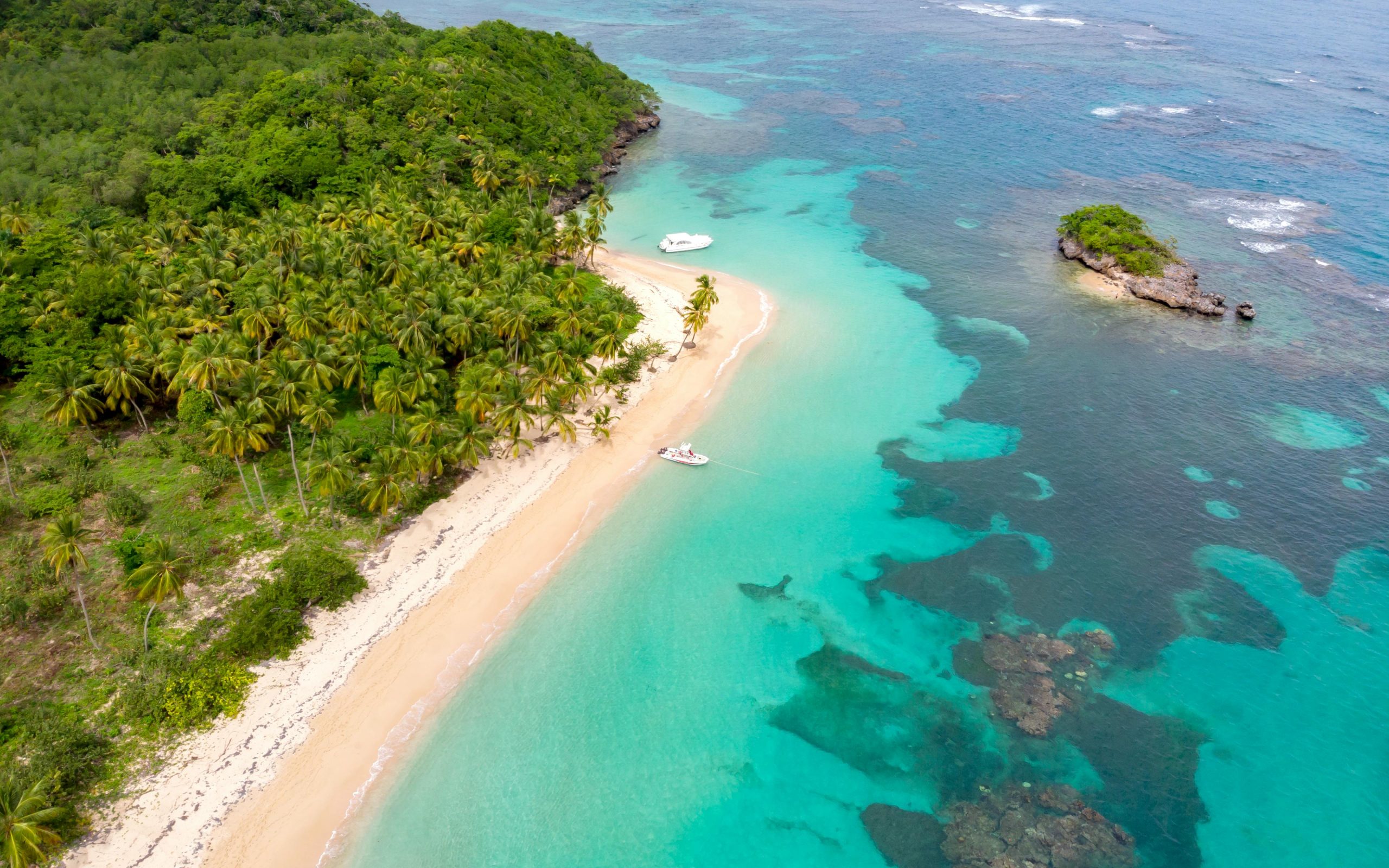
Recent geopolitical turbulence in Cuba and Venezuela has triggered a significant reconfiguration of Caribbean tourism flows, with travelers increasingly favoring destinations perceived as more secure and stable. Industry reports confirm that the Dominican Republic and Mexico’s Riviera Maya are emerging as primary beneficiaries of this regional shift.
According to Carlos Garrido, President of the Spanish Confederation of Travel Agencies (CEAV), both nations are functioning as ‘refuge’ destinations, absorbing redirected tourist demand while experiencing consequent price increases. Toni Chaves, President of the Riviera Maya Hotel Association, acknowledged that uncertainty in other Caribbean markets may have contributed to robust demand in the Mexican Caribbean, though he characterized this influence as marginal within broader structural tourism transformations.
Chaves elaborated that the ongoing industry transformation preferentially advantages destinations demonstrating superior air connectivity, operational reliability, enhanced safety perceptions, substantial hotel capacity, competitive pricing, and strategic backing from tour operators in source markets—all areas where the Riviera Maya maintains strong competitiveness.
The Dominican Republic’s tourism sector is experiencing unprecedented growth, having recorded 11.6 million visitors in the previous year. This historic achievement represents a remarkable 37.8% increase compared to 2022, solidifying its status as one of the Caribbean’s premier tourism destinations.
Conversely, Cuba’s tourism industry continues its precipitous decline, concluding the year with merely 1.8 million international visitors—its lowest arrival figures since 2002. This represents a dramatic fall from its 2018 peak of 4.7 million visitors. The sector’s collapse has been accelerated by U.S. sanctions implemented during the Trump administration, compounded by Cuba’s severe economic and energy crises and diminished air connectivity.
At January’s FITUR tourism fair, Cuban Tourism Minister Juan Carlos García attributed the sector’s challenges primarily to the U.S. economic embargo. Executives from Meliá Hotels International confirmed that growing instability has further deteriorated an already challenging situation, acknowledging the redirection of bookings from Cuba toward Mexican and Dominican properties. The hotel group has consequently reduced room availability in Cuba this month, aligning operations with current occupancy levels and supply constraints.
Venezuela is simultaneously navigating what industry leaders describe as an exceptionally complex period. The Federal Aviation Administration’s November advisory urging extreme caution when flying over Venezuela and the southern Caribbean prompted multiple international airlines to suspend or reduce operations. According to César Gutiérrez, President of the Spanish Federation of Territorial Associations of Travel Agencies (Fetave), the tourism slowdown stems less from diminished tourist interest and more from operational challenges and compromised air connectivity, further reinforcing the regional pivot toward more stable destinations.