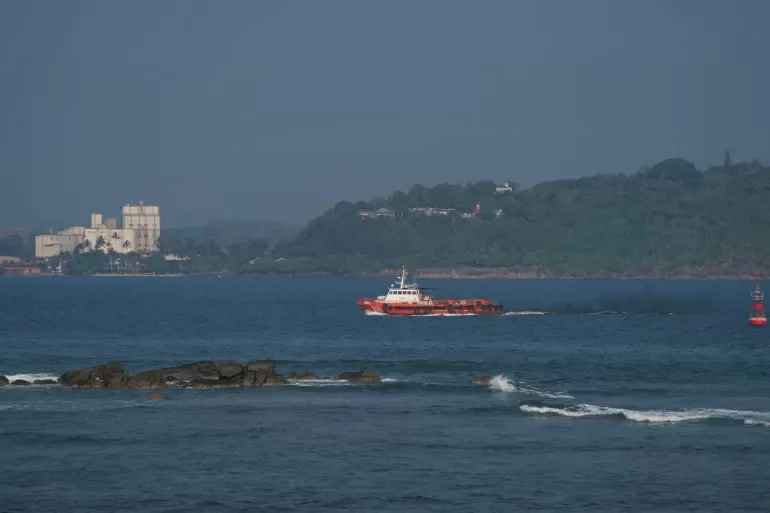
Sri Lanka finds itself in a delicate diplomatic position as it attempts to mediate humanitarian concerns surrounding a second Iranian warship operating near its territorial waters. This development comes just one day after a U.S. submarine torpedoed and sank the Iranian frigate Iris Dena in international waters off the Sri Lankan coast, resulting in more than 80 casualties with dozens still missing.
Cabinet spokesman Nalinda Jayatissa confirmed Thursday that Colombo is “making every effort to preserve lives” regarding the second vessel, which currently remains within Sri Lanka’s exclusive economic zone. The warship carries over 100 crew members and appears to be heading toward the same area where its companion vessel was destroyed, raising concerns about another potential attack.
According to Al Jazeera correspondent Minelle Fernandez reporting from Colombo, the second ship likely belongs to a group of three Iranian naval vessels returning from an international maritime conference in India. The vessel has reportedly experienced mechanical difficulties and has formally requested permission to dock in Sri Lankan ports—a request that remains under consideration as communications continue.
The situation places Sri Lanka in a precarious position as the expanding conflict between the United States, Israel and Iran creates ripple effects across the region and beyond. What began five days ago with American and Israeli airstrikes on Iran—which resulted in the death of Supreme Leader Ayatollah Ali Khamenei—has escalated into retaliatory attacks by Iranian-backed groups on U.S. and Israeli targets across Bahrain, Saudi Arabia, Qatar, UAE, Iraq and Cyprus.
The geopolitical turmoil has already triggered significant disruptions to global energy markets, with oil and gas prices soaring worldwide. Shipping routes, particularly around the critical Strait of Hormuz, have experienced substantial interruptions. Qatar has temporarily suspended liquefied natural gas production following attacks on energy infrastructure.
International observers warn that prolonged conflict could have severe consequences for regional stability and the global economy, while nations including China and Russia join growing worldwide calls for peaceful resolution through diplomatic channels.