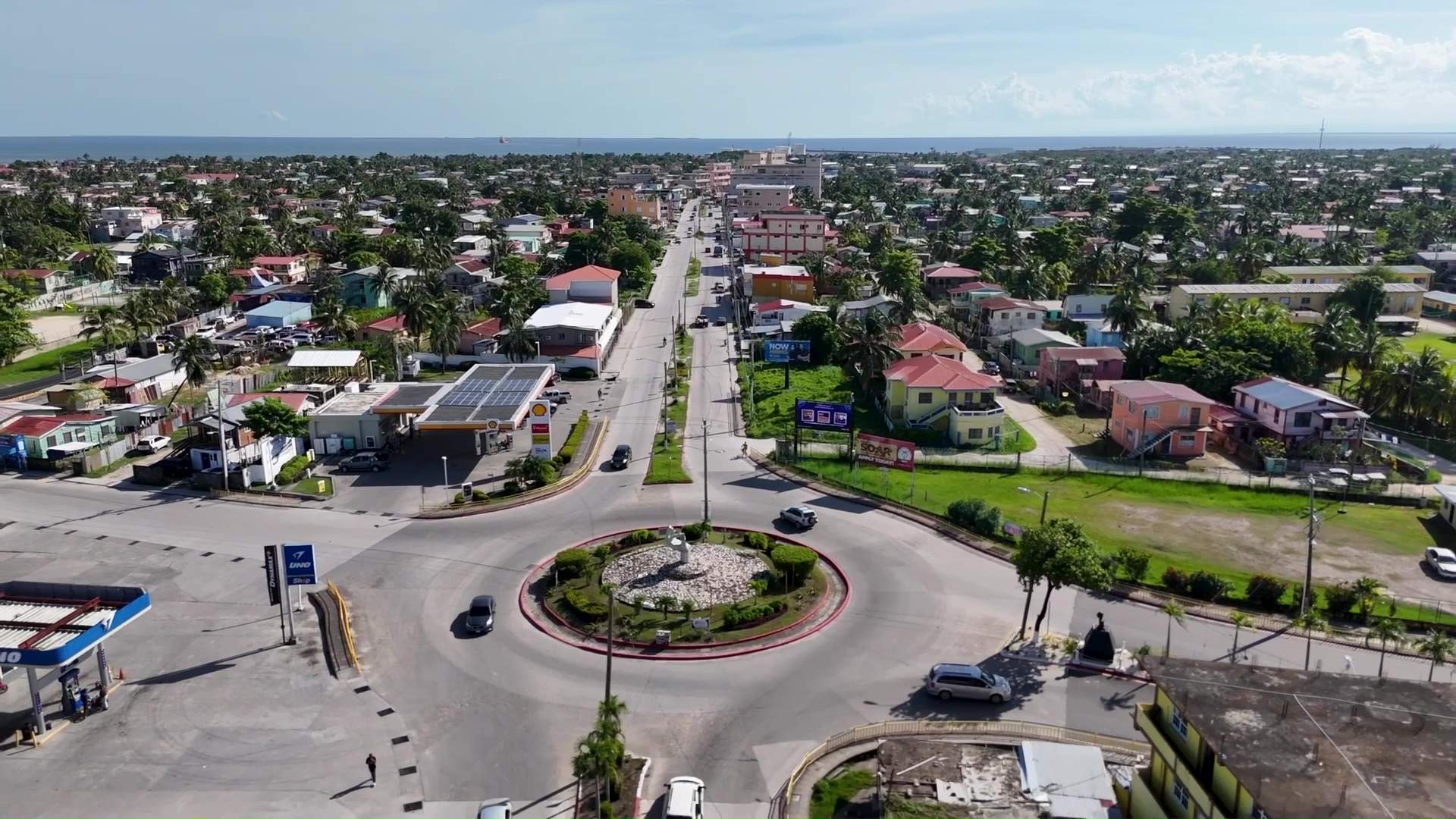
Belize City stands at the precipice of its most significant infrastructure overhaul in decades, yet public engagement remains strikingly muted. At a sparsely attended consultation event on Tuesday evening, fewer than one hundred residents gathered to confront government officials about simultaneous multimillion-dollar projects that promise to reshape the city’s transportation network while generating years of anticipated disruptions.
The comprehensive plan, presented by Mayor Bernard Wagner and engineering officials, encompasses three major initiatives: substantial upgrades to the George Price Highway, complete replacement of the historic Swing Bridge, and reconstruction of the BelCan Bridge. While Mayor Wagner opened proceedings with an appeal for collective patience and unity, the evening quickly evolved into a rigorous questioning session addressing practical concerns over traffic management, construction timelines, and marine accessibility.
Project Engineer Michelan Gilharry detailed that Lot One of the highway project, funded by the Caribbean Development Bank, includes critical drainage improvements targeting chronic flooding near Pound Yard Bridge. This phase targets completion by April 10, 2029. The BelCan Bridge demolition is scheduled to commence July 14, with construction concluding by November 15, 2028, while the Swing Bridge replacement extends slightly longer into January 2029.
Chief Engineer Evondale Moody explained the controversial decision to execute both bridge projects concurrently stemmed from procurement delays that cost approximately eighteen months. This compressed timeline became necessary to utilize grant funding before potential expiration, avoiding future financial burdens on the Government of Belize.
Resident Tanya Savery voiced apprehension about diverting traffic to the already congested BelChina Bridge and Ebony Street area, questioning whether adequate traffic studies had been conducted. Mayor Wagner acknowledged the fluidity of the situation while assuring ongoing evaluation by the city’s traffic team.
Additional concerns emerged regarding construction methodology, with Area Representative Lee Mark Chang pressing officials on whether contractors would maximize low-traffic hours, including early mornings and weekends, to accelerate progress. Moody indicated standard contractor hours typically run from 7:00 AM to 6:00 PM.
Marine accessibility questions arose from Greg Moguel Jr., who sought assurances about boat passage during construction. Moody clarified that temporary bridges would maintain sufficient clearance for small vessels, though with reduced width compared to existing structures.
Despite the project’s monumental scale and lasting impact on daily life, the notably low turnout contrasted sharply with the significance of the developments. Nevertheless, those present articulated concerns reflecting broader anxieties throughout Belize City about the municipality’s preparedness for managing the impending transportation challenges.