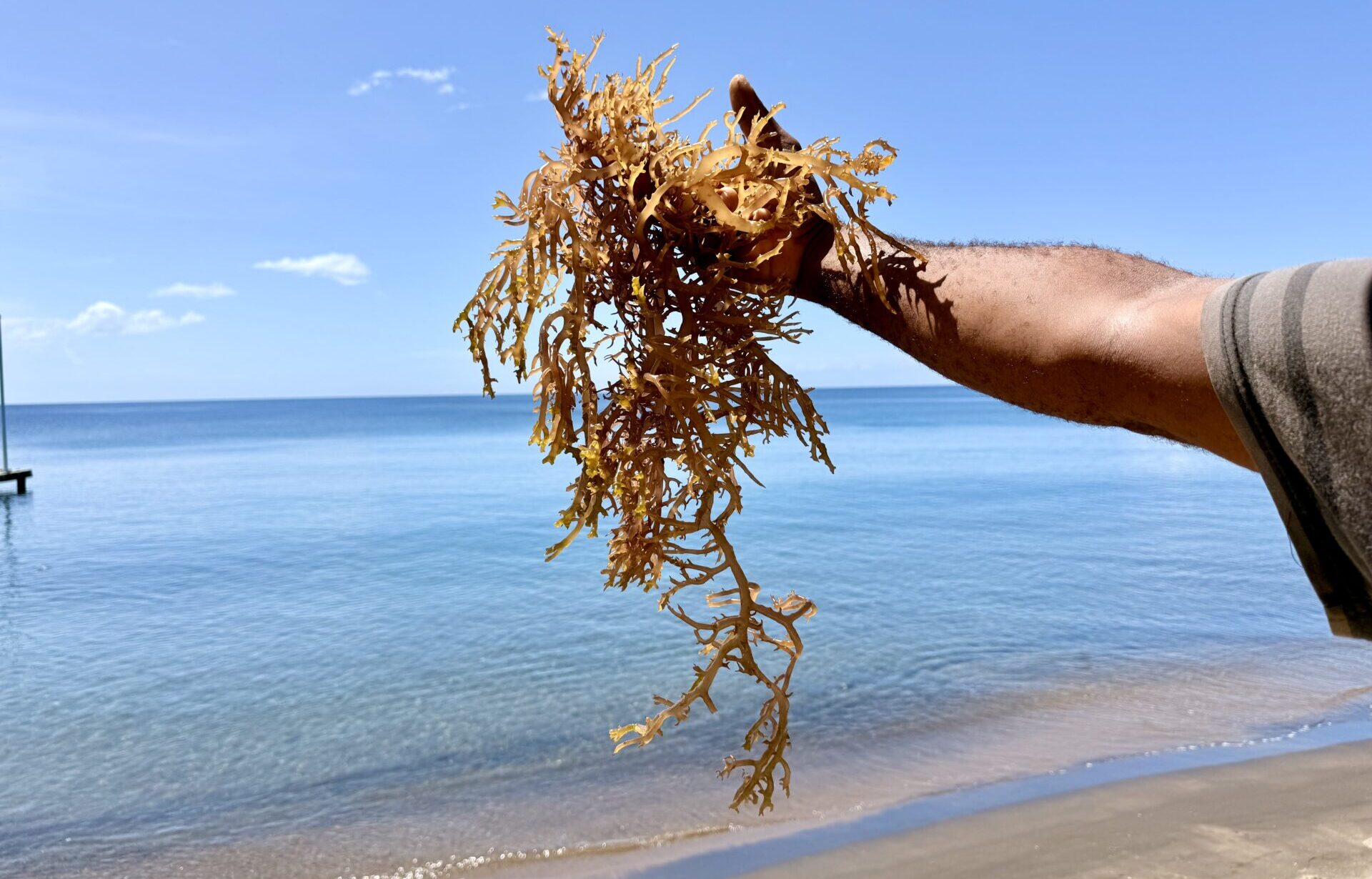
Along the pristine northwestern coastline of Dominica, the tranquil fishing village of Toucari is pioneering a revolutionary approach to marine resource management that harmonizes economic prosperity with ecological stewardship. Here, the azure Caribbean waters provide more than picturesque vistas—they offer a blueprint for sustainable community development.
Brenton Mason, an innovative sea moss cultivator, exemplifies this new generation of Dominican entrepreneurs who are redefining humanity’s relationship with the ocean. His journey into marine agriculture began through familial inspiration. “My cousin introduced me to sea moss farming,” Brenton reflects. “Since it involved working in seawater—where I’ve always felt most at home—I embraced it passionately and transformed it into my vocation.”
The cultivation process combines traditional knowledge with modern ecological awareness. Farmers meticulously attach sea moss fragments to submerged ropes anchored along the ocean floor, nurturing them through careful monitoring until harvest readiness. Brenton poetically describes this process as “comparable to raising an infant,” emphasizing the dedication and patience required.
This marine cultivation extends far beyond conventional applications. “The potential is truly inspiring—it transcends mere juice production,” Brenton explains with evident enthusiasm. The harvested seaweed undergoes meticulous processing including cleaning, natural bleaching, and drying before being transformed into diverse value-added products including nutritional gels, wellness powders, and therapeutic preparations.
Through the collectively-managed Toucari Marine Culture Group, Brenton and five fellow members are developing a multifaceted marine economy that includes sustainable fishing, marine nursery maintenance, and exploratory aquaculture—all predicated on maintaining oceanic health. Their initiative receives technical support from Dominica’s Fisheries Division, which conducted comprehensive water quality analysis to identify ideal cultivation sites. “They performed detailed pH testing and identified perfect locations,” Brenton notes, adding that these sites simultaneously serve as educational attractions for visitors.
This integrated approach generates stable incomes while safeguarding marine biodiversity and strengthening local economic resilience. Brenton demonstrates particular commitment to engaging younger generations, recognizing that “youth represent tomorrow’s future.” His mentorship philosophy focuses on transferring specialized knowledge, building professional confidence, and creating opportunities that tether young Dominicans to their coastal heritage.
The initiative’s broader impacts include enhanced family stability, improved nutrition security, and demonstrable proof that environmental conservation can coexist with economic prosperity. International organizations including the International Organization for Migration recognize such community-led initiatives as models for building resilient, self-reliant communities through localized knowledge systems and shared responsibility frameworks.
For Brenton, sea moss farming transcends commercial enterprise—it embodies a profound connection to marine rhythms and intergenerational responsibility. His vision encompasses a future where Dominicans prosper through wise oceanic stewardship, ensuring both ecological preservation and economic security for generations ahead.
His fundamental philosophy remains elegantly simple: “Anyone can practice sea moss cultivation. The essential qualification is a genuine love for the sea.”