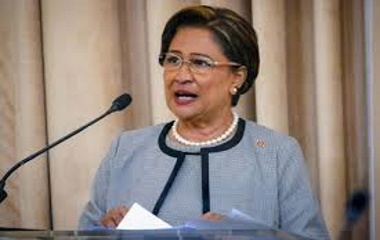
The government of Trinidad and Tobago has implemented a nationwide state of emergency effective Tuesday, March 3rd, following intelligence reports indicating heightened criminal activity linked to organized gangs and recently released detainees. Prime Minister Kamla Persad-Bissessar announced the decisive measure after emergency consultations with the National Security Council, subsequently requesting President Christine Kangaloo to formally declare the security emergency.
The declaration comes as a direct response to escalating violence across the nation, with security officials reporting multiple fatalities from coordinated shootings and growing threats against law enforcement personnel. Intelligence assessments presented to the NSC revealed credible plans to target police officers, prison staff, and members of the legal services, prompting the government’s severe response.
Prime Minister Persad-Bissessar emphasized the administration’s zero-tolerance stance toward criminal enterprises, referencing previous successful security operations conducted over the past ten months. The government had previously extended a state of emergency initiated in December 2024 by the former Rowley administration, which remained active until January 31st of this year.
The administration’s efforts to establish permanent security legislation suffered a setback in January when the proposed Zones of Special Operations (ZOSO) bill failed to secure Senate approval. The failed legislation would have granted security forces enhanced powers including warrantless search and seizure capabilities within designated high-crime areas.
Persad-Bissessar issued a stern warning to criminal elements, stating that violent gang members would be immediately returned to prison, potentially accompanied by family members found complicit in criminal activities. The government maintains that all available resources will be deployed to prevent reversal of recent security gains and protect citizens from organized criminal networks.