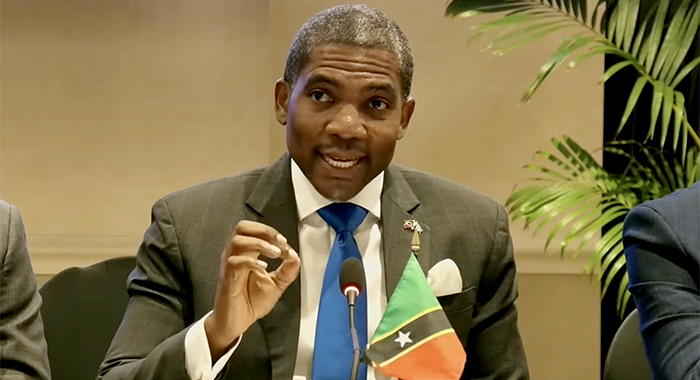
The Caribbean Community (CARICOM) has firmly refuted allegations of participating in U.S.-backed regime change discussions regarding Cuba, while simultaneously announcing concrete plans to address the island nation’s escalating humanitarian crisis. The clarification came from CARICOM Chairman and St. Kitts and Nevis Prime Minister Terrance Drew during the closing press conference of the 50th Heads of Government Conference in Basseterre.
Prime Minister Drew explicitly denied multiple reports from Miami Herald and Associated Press suggesting CARICOM’s involvement in transition discussions with U.S. Secretary of State Marco Rubio. When pressed by journalists about alleged meetings between Rubio and Fidel Castro’s grandson during the conference sidelines, Drew maintained that “CARICOM has not involved itself in any discussion of such nature.”
Instead, the regional bloc revealed its intention to launch substantial humanitarian assistance to Cuba by late March. Drew emphasized the community’s primary concern regarding Cuba’s deteriorating conditions, describing severe shortages of food, water, and electricity, alongside accumulating street garbage and general infrastructure collapse.
The CARICOM chairman, who studied medicine in Cuba for seven years, shared personal connections to the crisis: “I have friends there. I have people who are like family to me. They reach out to me and tell me of their difficulties. I can only feel the pain of those who treated me so well when I was a student.”
Geopolitical context reveals the crisis stems partly from disrupted oil supplies from Russia, Mexico and Venezuela following U.S. military actions against Venezuela and President Trump’s executive order threatening tariffs against countries shipping oil to Cuba. CARICOM’s joint statement acknowledged discussions with Rubio regarding “the growing humanitarian crisis” while emphasizing the community’s unique position to facilitate dialogue given its “very close relationship with both Cuba and the USA.”
Drew issued a stark warning about regional implications: “A destabilized Cuba will destabilize all of us. Cuba’s population is anywhere from 9 to 12 million people. Excluding Haiti, the rest of CARICOM does not amount to 10 million people. Therefore, if a state within our community is so destabilized, it will affect all of us in the region.”