Financial markets worldwide experienced significant turbulence on Monday as escalating military actions in the Middle East triggered dramatic shifts across multiple asset classes. The intensification of regional conflict following Iran’s attacks on Qatari energy facilities sent shockwaves through global trading floors, creating a classic risk-off environment characterized by plunging equities and surging safe-haven assets.
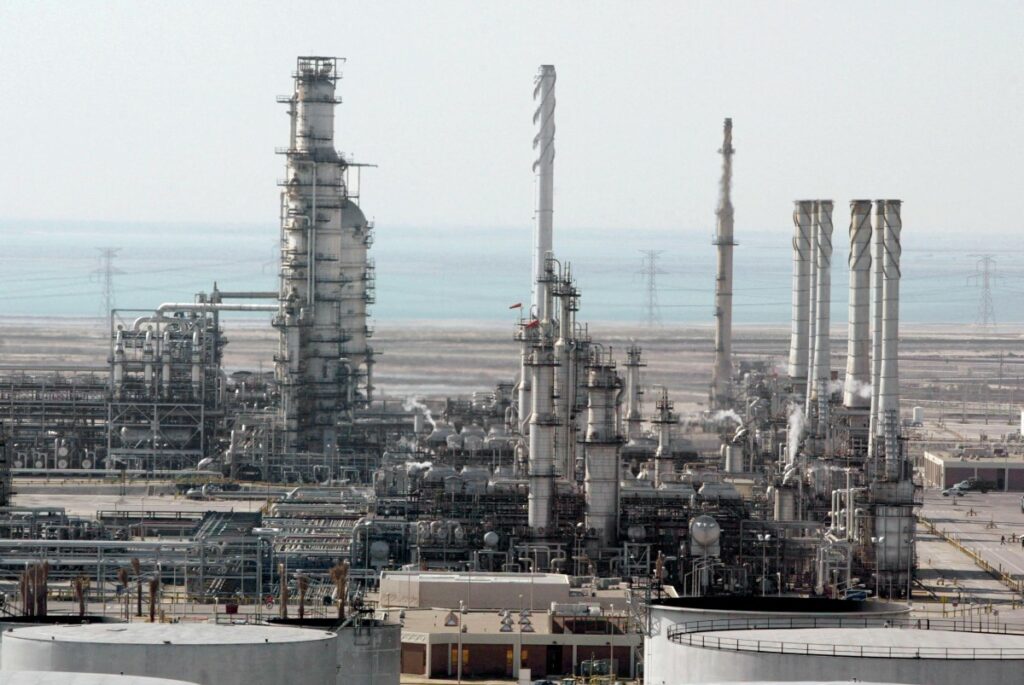
European natural gas markets witnessed unprecedented volatility, with benchmark prices skyrocketing over 50% after QatarEnergy, the state-run energy corporation, announced production halts at two major liquefied natural gas processing bases damaged during the hostilities. This supply disruption coincided with crude oil futures surging nearly 9% as market participants grew increasingly concerned about potential long-term disruptions to energy shipments through the strategically vital Strait of Hormuz, where approximately 20% of global seaborne oil transits.
The equity selloff manifested across major indices worldwide. Wall Street’s opening bell saw the Dow Jones Industrial Average, S&P 500, and Nasdaq Composite each drop between 1.1-1.5%, mirroring substantial losses in European bourses where Frankfurt’s DAX and Paris’s CAC 40 declined over 2.3%. Asian markets similarly retreated, with Japan’s Nikkei 225 and Hong Kong’s Hang Seng Index closing down 1.4% and 2.1% respectively.
Investors demonstrated a pronounced flight to safety, boosting the US dollar nearly 1% against major currencies while gold prices climbed 2.6% to $5,382.60 per ounce. Market strategists observed that participants were seeking shelter in traditional safe havens amid growing geopolitical uncertainty, though noted the absence of full-scale panic suggesting investors remain uncertain about the conflict’s potential long-term economic consequences.
Sector performance revealed stark divergences. Airline stocks suffered severe losses as carriers canceled numerous flights and Dubai’s aviation hub experienced operational disruptions. British Airways parent IAG dropped 5.6%, Air France-KLM fell 7.9%, while Qantas and Singapore Airlines each declined approximately 5%. Conversely, energy majors and defense contractors enjoyed substantial gains, with Shell rising 2.7%, TotalEnergies climbing 4.6%, and defense specialists BAE Systems and Palantir Technologies advancing 6.3% and 4.7% respectively.
Economic analysts warned that sustained energy price increases could reignite inflationary pressures and potentially derail global growth. The situation presents particular challenges for oil-importing nations, with economists noting that while OECD countries maintain strategic petroleum reserves equivalent to 90 days of consumption, prolonged supply disruptions could push crude prices above $100 per barrel with significant recessionary implications for the global economy.