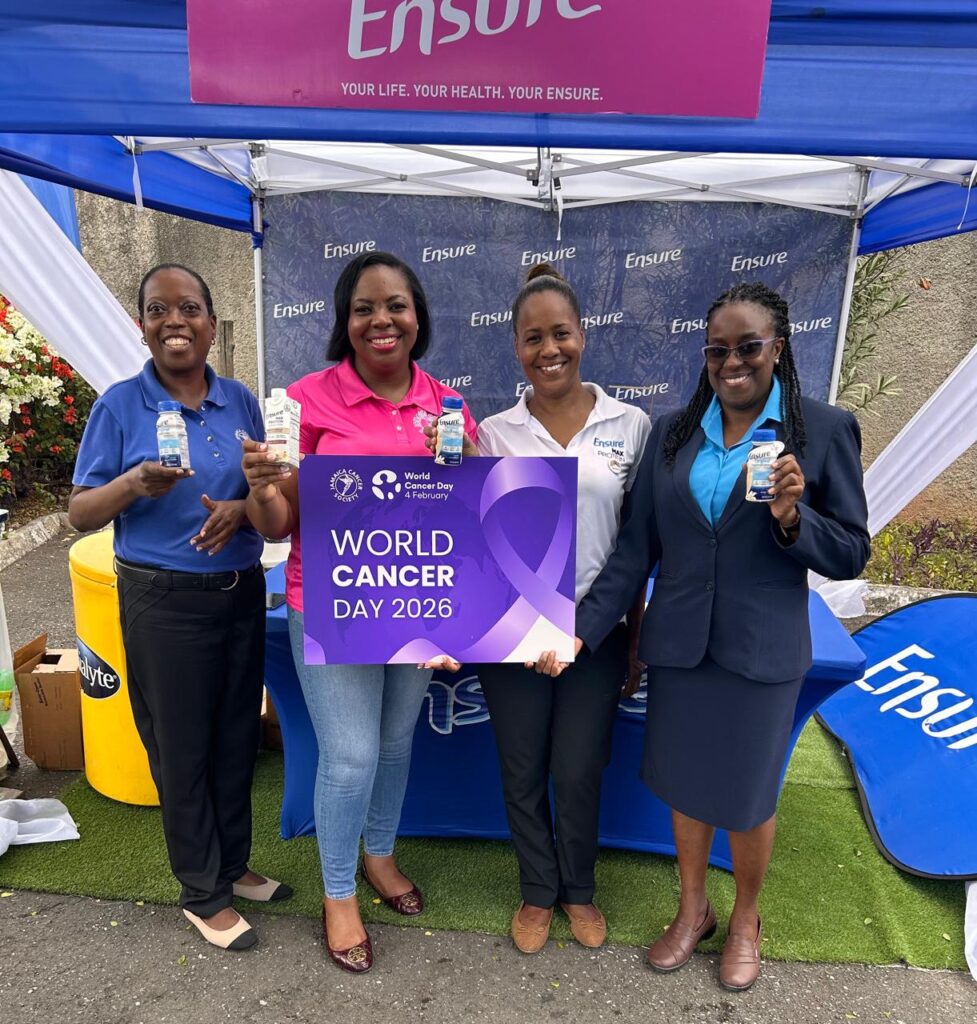
KINGSTON, Jamaica — Marking World Cancer Day 2026 under the global theme ‘United in Unique,’ the Jamaica Cancer Society (JCS) convened a powerful assembly of survivors, medical experts, and community members at its Kingston headquarters. The event underscored a crucial dual message: while each cancer journey remains profoundly individual, collective action forms the cornerstone of effective disease management and prevention.
The gathering served as the centerpiece of an extensive day dedicated to screening, public education, and community outreach. These initiatives were strategically designed to empower individuals with knowledge and tools for proactive health management, thereby strengthening communal resilience against cancer’s impact.
Executive Director Roshane Reid-Koomson highlighted the heightened significance of this year’s observance, contextualizing it within Jamaica’s recent trials. ‘World Cancer Day carried amplified urgency following the devastation of Hurricane Melissa,’ she stated. ‘Cancer progression doesn’t halt for natural disasters, compelling our response to remain equally relentless. This reality intensified our mission to accelerate awareness, screening accessibility, and care provision.’
Reid-Koomson presented sobering epidemiological data revealing cancer’s substantial burden on public health. With approximately 7,500 new diagnoses and over 4,600 fatalities recorded in 2022 alone, nearly 19,000 Jamaicans have lived with cancer diagnoses over the past five years. Gender-specific analysis showed prostate cancer dominating male cases (43.1%), followed by colorectal (13%) and lung cancers (9.4%). Among females, breast cancer accounted for 35% of new cases, with corpus uteri (13%) and cervical cancers (9.9%) following.
These statistics reinforce the life-saving potential of routine screening and early detection—particularly critical as many patients currently receive diagnoses at advanced stages when treatment complexity increases. ‘We frequently encounter women presenting for screening only after self-detecting lumps,’ Reid-Koomson noted. ‘While we welcome their initiative, we advocate for routine annual screenings to facilitate earliest possible detection.’
To bridge healthcare gaps, JCS is pursuing strategic expansions through equipment upgrades and community partnerships. A new mammography machine acquisition is underway, partially funded by a donor who has pledged matching contributions upon initial fundraising success. Collaborative efforts with churches, community organizations, and healthcare providers aim to decentralize services, directly reaching underserved populations.
Reid-Koomson emphasized that sustained public engagement through donations, volunteerism, and advocacy remains indispensable for expanding service capacity. The World Cancer Day activities reflect JCS’s year-round commitment to education, screening, and patient support—a comprehensive approach summarized in the Director’s closing admonition: ‘Check it, catch it, beat it. Don’t wait. Know your body to recognize changes and act decisively.’
The Society encourages individuals seeking screening information to contact JCS directly for details on available tests and support programs.