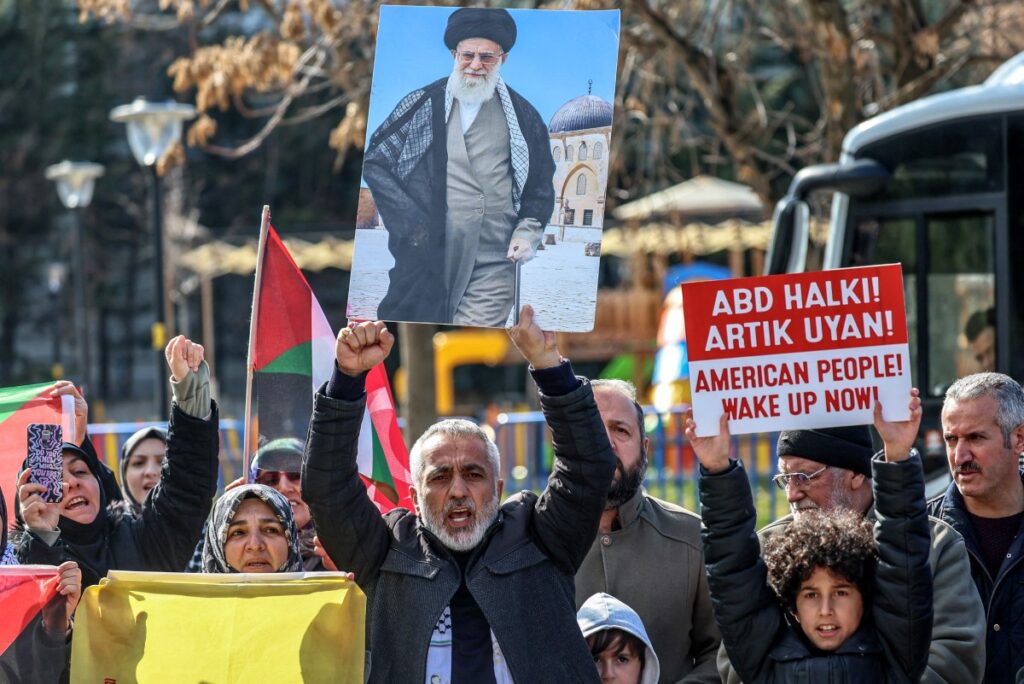
The reported death of Iran’s Supreme Leader Ayatollah Ali Khamenei in a US-Israeli military strike has triggered diametrically opposed reactions worldwide, creating unprecedented geopolitical fissures. While segments of the Iranian diaspora and domestic opposition groups erupted in celebratory demonstrations, official Tehran and its allies declared mourning and vowed severe retaliation.
Within Iran’s capital, scenes of profound division unfolded simultaneously. Verified footage showed Tehran residents setting off fireworks and playing music in spontaneous celebrations, while state-organized mourners clad in black gathered in Enghelab Square chanting anti-American and anti-Israeli slogans. This stark contrast highlighted the deep societal fractures within the Islamic Republic.
The international response revealed equally sharp divisions. Western leaders including U.S. President Donald Trump and Israeli Prime Minister Benjamin Netanyahu openly celebrated Khamenei’s demise, characterizing him as a historical evil whose death presented an opportunity for regime change. Conversely, Russia’s Vladimir Putin and China’s foreign ministry condemned the operation as a cynical violation of international law and Iranian sovereignty.
Global protests manifested with varying intensity—from violent attempts to storm U.S. diplomatic compounds in Karachi and Baghdad that resulted in casualties, to peaceful demonstrations in European capitals where expatriate Iranians waved pre-revolutionary flags. The UN Security Council faced calls for emergency session as the action threatened to destabilize an already volatile region.
Iran’s Revolutionary Guards declared the incident an act of war and promised severe retaliation, while President Masoud Pezeshkian framed the strike as a declaration against Muslims worldwide. Regional proxies including Hamas and Hezbollah joined in condemning the attack and vowing resistance, setting the stage for potential multi-front conflict escalation.
European leadership expressed cautious optimism about potential political transformation in Iran, with EU Foreign Policy Chief Kaja Kallas noting this could represent a ‘defining moment’ for Iranian freedom, while simultaneously urging restraint to prevent broader regional conflagration.