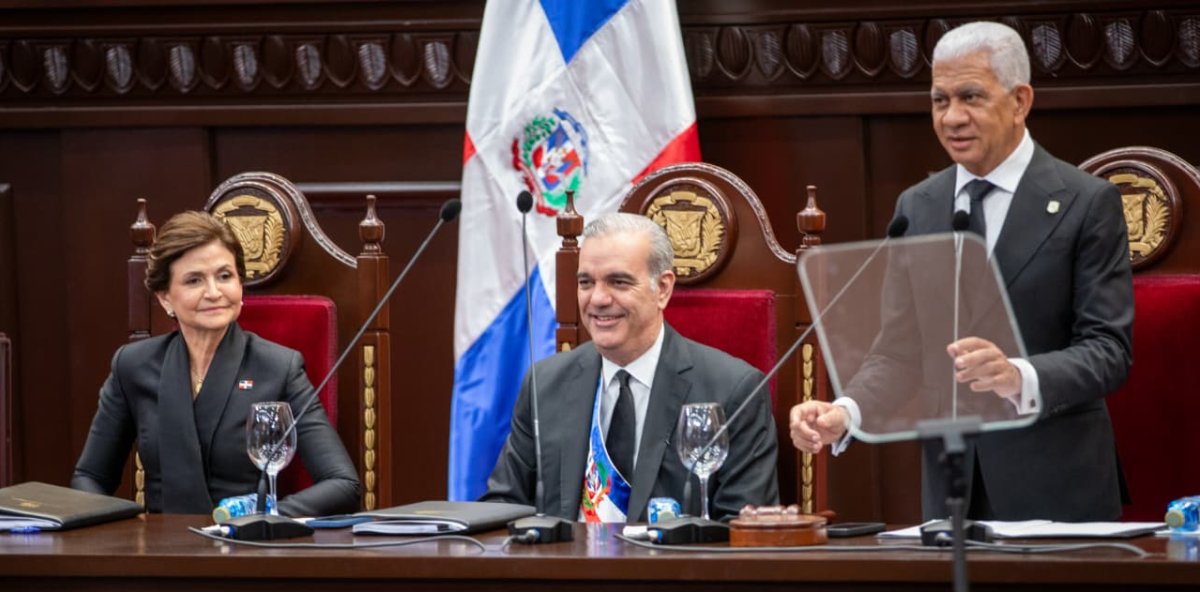
SANTO DOMINGO – In a landmark address before the National Congress commemorating the nation’s 182nd Independence Anniversary, President Luis Abinader unveiled exceptional employment figures for 2025. Official data from the National Continuous Labor Force Survey (ENCFT) reveals the creation of 133,915 new jobs throughout the year, elevating the country’s total employed population to 5,139,951. Notably, the national open unemployment rate remains anchored at a historic low of 5.0%.
President Abinader championed decent employment as the cornerstone transformative social policy of his administration. He emphasized the government’s unwavering priority to generate formal, well-compensated job opportunities, stating that each new position represents ‘peace of mind for a home’ rather than a mere statistic.
A pivotal achievement highlighted in the report is a decisive reduction in labor informality, which dropped to a record low of 54.2%. This formalization is evidenced by several key indicators: the integration of 74,000 new workers into the Integrated Labor Registry System (SIRLA), a 3.15% year-on-year expansion in active Social Security contributors reaching 2,426,350, and a significant stride in gender equity with women securing 53% of all new formal jobs.
The government credits this success to a synergistic strategy developed in concert with the private sector, focusing on high-growth areas such as nearshoring, logistics, advanced free zones, agro-industrial modernization, and sustainable tourism. This was supported by over 140 formalization and inspection operations. Initiatives like the ‘RD-Trabaja’ program and its ‘Tu Empleo Está Aquí’ platform further bolstered these efforts, successfully registering 12,648 individuals, with a particular focus on youth and women.
Concluding his address, President Abinader affirmed that this robust job expansion has been paralleled by a consistent rise in workers’ real income, signaling the consolidation of a more resilient and socially equitable economy.