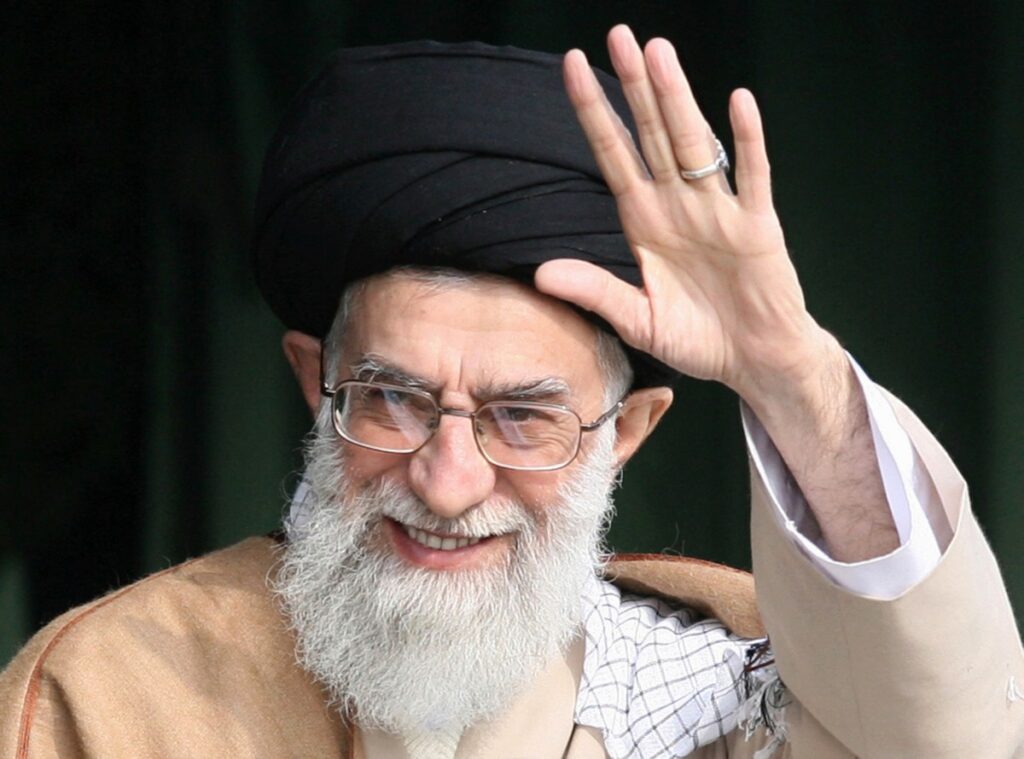
Israeli Prime Minister Benjamin Netanyahu has made a dramatic televised announcement suggesting that Iran’s Supreme Leader Ayatollah Ali Khamenei may have been killed during a coordinated military operation targeting his compound in Tehran. The alleged strike, which Netanyahu characterized as a “powerful surprise” attack, reportedly destroyed Khamenei’s residential complex in the Iranian capital.
In his address to the nation, Netanyahu described Khamenei as a “cruel tyrant” who had “spread terror across the world” while oppressing the Iranian people and relentlessly pursuing Israel’s destruction. The Israeli leader asserted that both objectives had been neutralized through the military action, stating: “That plan is no more—and there are many signs that this tyrant is no longer alive.”
The claims gained additional traction through reports from two major Israeli television networks. Public broadcaster Kan announced via social media that “Ali Khamenei is dead,” while Channel 12 cited anonymous sources making similar claims. Notably, Iranian authorities have yet to confirm or deny these allegations, leaving the supreme leader’s status uncertain.
Netanyahu further revealed that the operation, which he described as a “decisive” joint effort with the United States, had successfully eliminated high-ranking officials within Iran’s Revolutionary Guards and senior figures involved in the country’s nuclear program. The Israeli prime minister warned that the campaign would continue “as long as necessary,” with plans to strike “thousands of targets” associated with what he termed Iran’s “terror regime” in the coming days.
The unprecedented nature of these claims, combined with the lack of independent verification from Tehran, creates a highly volatile geopolitical situation. If confirmed, Khamenei’s death would represent the most significant leadership change in Iran since the 1979 revolution, with potentially far-reaching consequences for regional stability and international security.