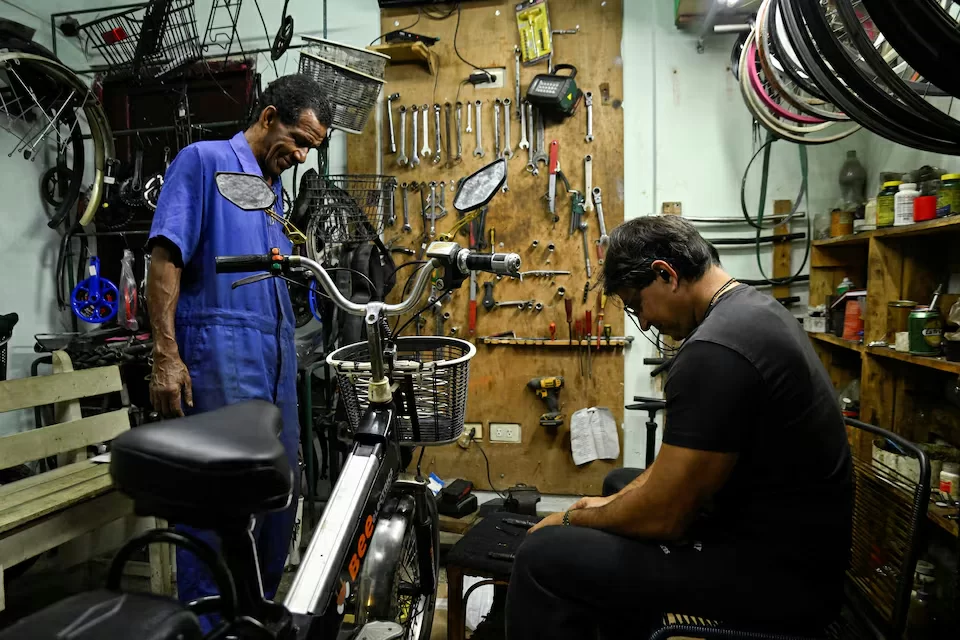
Havana’s streets are witnessing an unprecedented transportation transformation as Cubans increasingly turn to bicycles amid a severe fuel shortage crisis. The shift comes as direct consequences of tightened U.S. sanctions that have disrupted oil supplies from Venezuela and other traditional sources.
The current situation stems from January 2026 when the United States arrested Venezuelan leader Nicolás Maduro, effectively cutting off Cuba’s primary oil supply that had sustained the island nation for over a quarter-century. Subsequent American threats against oil-exporting nations have further constrained deliveries from Mexico and other potential suppliers.
This energy crisis has forced Havana residents to adopt innovative survival strategies. Across the city, people are retrieving long-stored bicycles from storage, repairing worn tires, and even learning to ride for the first time. The movement represents both practical adaptation and symbolic resistance to economic pressures that have made traditional transportation increasingly unaffordable.
Transportation costs have tripled in recent months, compelling citizens like 23-year-old Gabriela Barbon to embrace cycling. ‘Cycling is no longer a hobby, it’s a necessity,’ she remarked during a training session with local organization Citykleta. Their ‘Learn to Pedal’ campaign has seen overwhelming response, attracting nearly four times the expected participants.
The trend has created parallel economic opportunities and challenges. Bicycle repair shops like that of Pedro Carrillo report an ‘explosion’ in business, though they simultaneously face shortages of replacement parts. ‘Sometimes I don’t have what people need—those supplies are nowhere to be found,’ Carrillo noted from his sidewalk workshop.
Meanwhile, the Cuban government is implementing emergency measures including investments in solar energy and other renewable sources. International aid organizations attempt to provide humanitarian assistance, though political tensions and the ongoing embargo continue to limit their effectiveness.
According to United Nations reports, food security remains critically compromised while energy supplies stay unreliable. The six-decade American embargo, recently intensified under the Trump administration, continues to weigh heavily on Cuba’s economic stability.
Despite these challenges, the bicycle phenomenon demonstrates Cuban resilience. As resident Yoandris Herrera explains while preparing to transport his children to school: ‘Fuel is now so expensive, cycling is simply more practical.’ This two-wheeled revolution represents both immediate practical solution and powerful symbol of adaptation in difficult times.