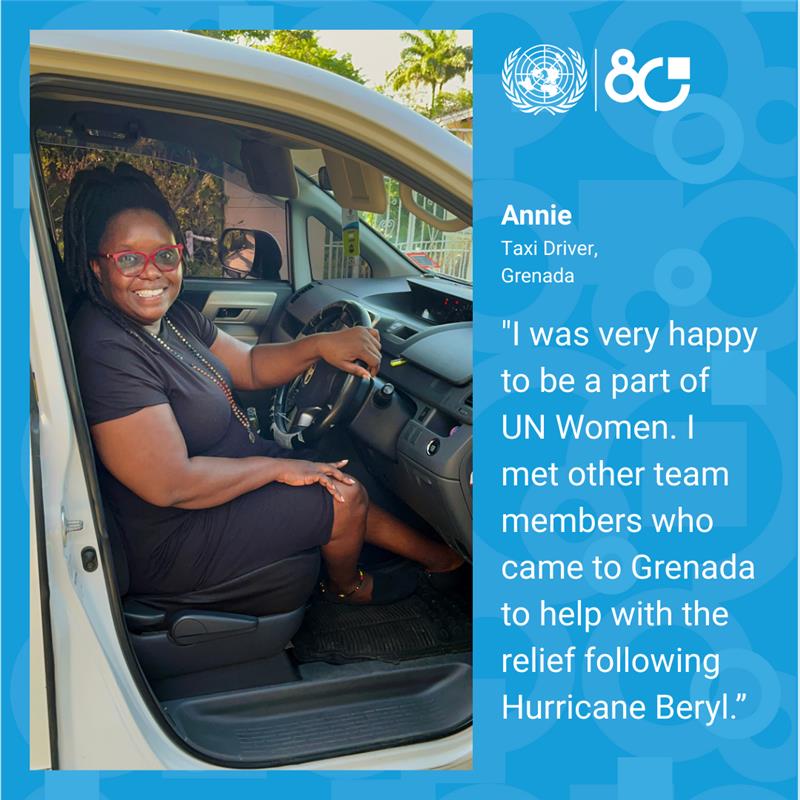
In the wake of Hurricane Beryl’s devastating impact on Grenada in 2024, an extraordinary partnership emerged between international organizations and local citizens that transformed disaster response. Annie, a Grenadian taxi driver, became an instrumental figure in the United Nations’ recovery operations, demonstrating how grassroots collaboration can drive meaningful change.
The UN Women Multi-Country Office for the Caribbean initiated a strategic approach that blended immediate humanitarian assistance with sustainable economic development. By engaging local entrepreneurs like Annie, the program created a dual-impact model that addressed both urgent needs and long-term community resilience. This innovative methodology ensured that recovery efforts were not merely temporary fixes but catalysts for enduring empowerment.
Annie’s journey from transportation provider to community leader exemplifies this transformative approach. Initially unfamiliar with UN Women’s mission, she quickly became an integral part of the relief operations, working alongside international team members who arrived to assist following the catastrophic hurricane. Her story now features prominently in the ‘Shared Lives, Shared Future’ exhibition, commemorating eight decades of United Nations global impact across all 193 Member States.
The collaboration represents a paradigm shift in disaster response, moving beyond traditional aid models to create partnerships that value local knowledge and entrepreneurship. By integrating community members into the recovery framework, UN Women Caribbean and United Nations Caribbean have established a blueprint for future disaster response that strengthens livelihoods while building robust community networks capable of withstanding future challenges.