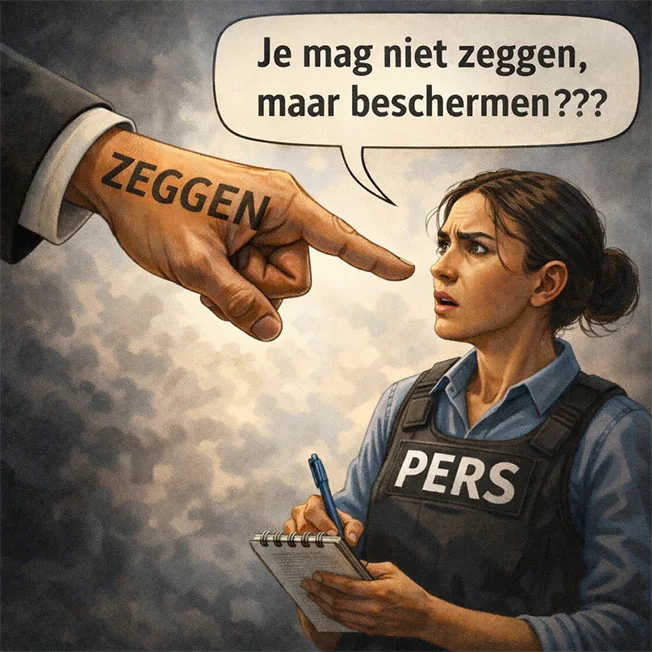
A concerning societal expectation has emerged in Suriname where journalism is welcomed only when it doesn’t challenge protected interests. When media reporting becomes critically uncomfortable, accusations immediately surface alleging personal attacks, political agendas, or attempts to remove officials from power.
This pattern manifested recently when panelist Giwani Zeggen on the radio program Welingelichte Kringen accused Starnieuws of intentionally damaging the Prosecutor General’s reputation through reporting about excessive compensation amounting to SRD 1.4 million. These allegations reveal more about persistent misunderstandings of journalism’s purpose than about the media outlet itself.
The controversial reporting centered not on an individual but on the Judicial Position Act (Wet Rechtspositie Rechterlijke Macht). The salary calculation referenced wasn’t fabricated but derived directly from legal percentages, allowances, and tax-free compensations explicitly outlined in the legislation. The fact that administration expert Eugène van der San had previously raised this issue publicly doesn’t diminish the journalistic premise: when a law potentially enables monthly state-funded incomes exceeding SRD 1 million, it becomes inherently newsworthy.
The suggestion that Starnieuws misled society because political discussions about judicial reforms are ongoing represents a diversionary tactic. Journalism doesn’t await politically convenient moments—it reports when information holds societal relevance, not when it comforts power holders or their defenders. The profession accepts no censorship and practices no self-censorship when matters of public interest are involved.
What truly emerges here is a dangerous shift where systemic criticism becomes deliberately personalized to avoid substantive discussion. By framing reporting as attempting to undermine the Prosecutor General, attention divertes from the core issue: how can legislation in an economically vulnerable society justify such extreme income disparities within the public sector?
Journalism exists not to shield officials from uncomfortable facts but to provide citizens insight into how power, laws, and public resources function. Those expecting media silence because certain individuals might become discussion topics essentially request public relations, not journalism.
The same journalistic principles will apply to numerous mismanagement cases at ministries, government institutions, and state enterprises, including the State Health Insurance Foundation, Suriname Telecommunication Authority, Milk Center, and Grassalco.
While media criticism remains legitimate and necessary in democratic societies, such criticism should rest on established journalistic standards—truthfulness, independence, fact-opinion separation, and social responsibility—as codified in international codes like the Bordeaux Code and adopted by the Surinamese Association of Journalists. Not all journalists consistently adhere to these standards, but this doesn’t grant anyone authority to position themselves as informal regulatory bodies without explicit reference to proper assessment criteria.
The fundamental question remains: what institutional position empowers Zeggen to lecture journalists? While free expression rights remain unquestioned, professional authority requires substantive standards, not political suspicions or personal interpretations of intent. Through determined reporting, society has been served significantly, already prompting corrective measures—including cooperation from the judicial system. Journalists will continue their work without seeking approval or regarding personal status.