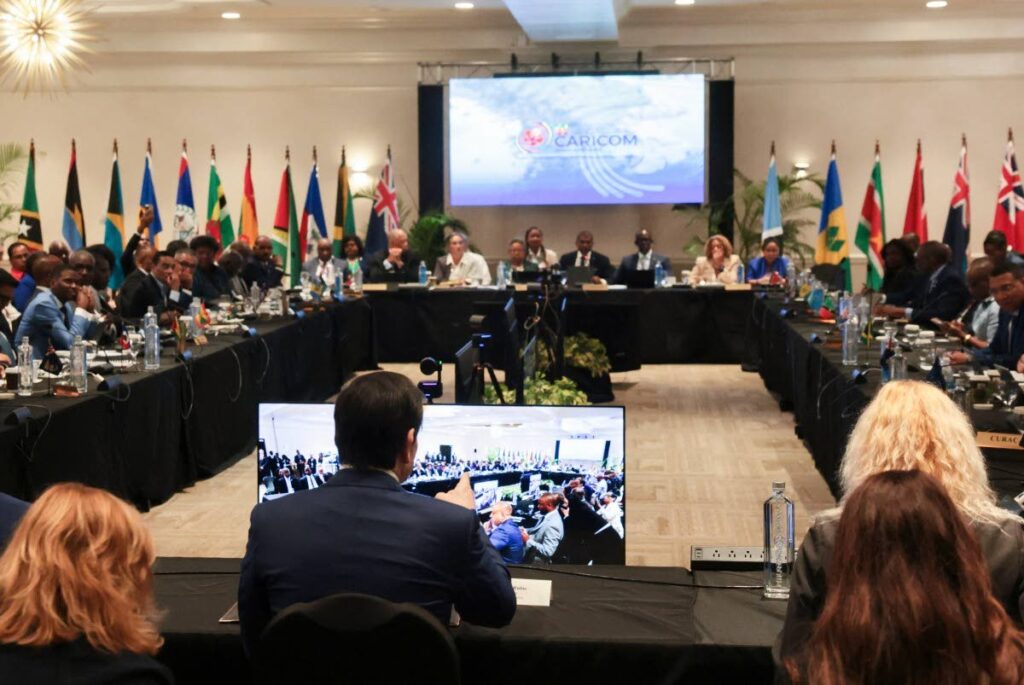
BASSETERRE, St Kitts and Nevis – In a significant diplomatic shift, the United States has relaxed its stringent oil embargo against Cuba during high-level talks with Caribbean leaders. The policy adjustment came as US Secretary of State met with regional counterparts at the 50th Regular Meeting of the Conference of Heads of Government in Saint Kitts and Nevis on Wednesday.
The Trump administration had imposed a virtual oil siege on Cuba in January following the US-led ouster of Venezuelan leader Nicolas Maduro, a key Cuban ally. This sanctions regime had severed Cuba’s access to Venezuelan petroleum, which previously accounted for approximately half of the island nation’s fuel requirements.
The month-long blockade pushed Cuba’s already fragile economy toward the brink of collapse, prompting serious concerns among Caribbean Community (CARICOM) members about regional stability and humanitarian consequences.
Facing mounting diplomatic pressure, Washington announced it would permit shipments of Venezuelan oil for limited “commercial and humanitarian use” under specific conditions. The US Treasury Department clarified that such oil exports must be channeled through private business entities rather than Cuban government or military-controlled organizations, which dominate the country’s economic infrastructure.
The policy modification represents a nuanced approach to Caribbean relations while maintaining pressure on the Cuban government apparatus. The development underscores the complex interplay between US foreign policy objectives and regional diplomatic dynamics in the Western Hemisphere.