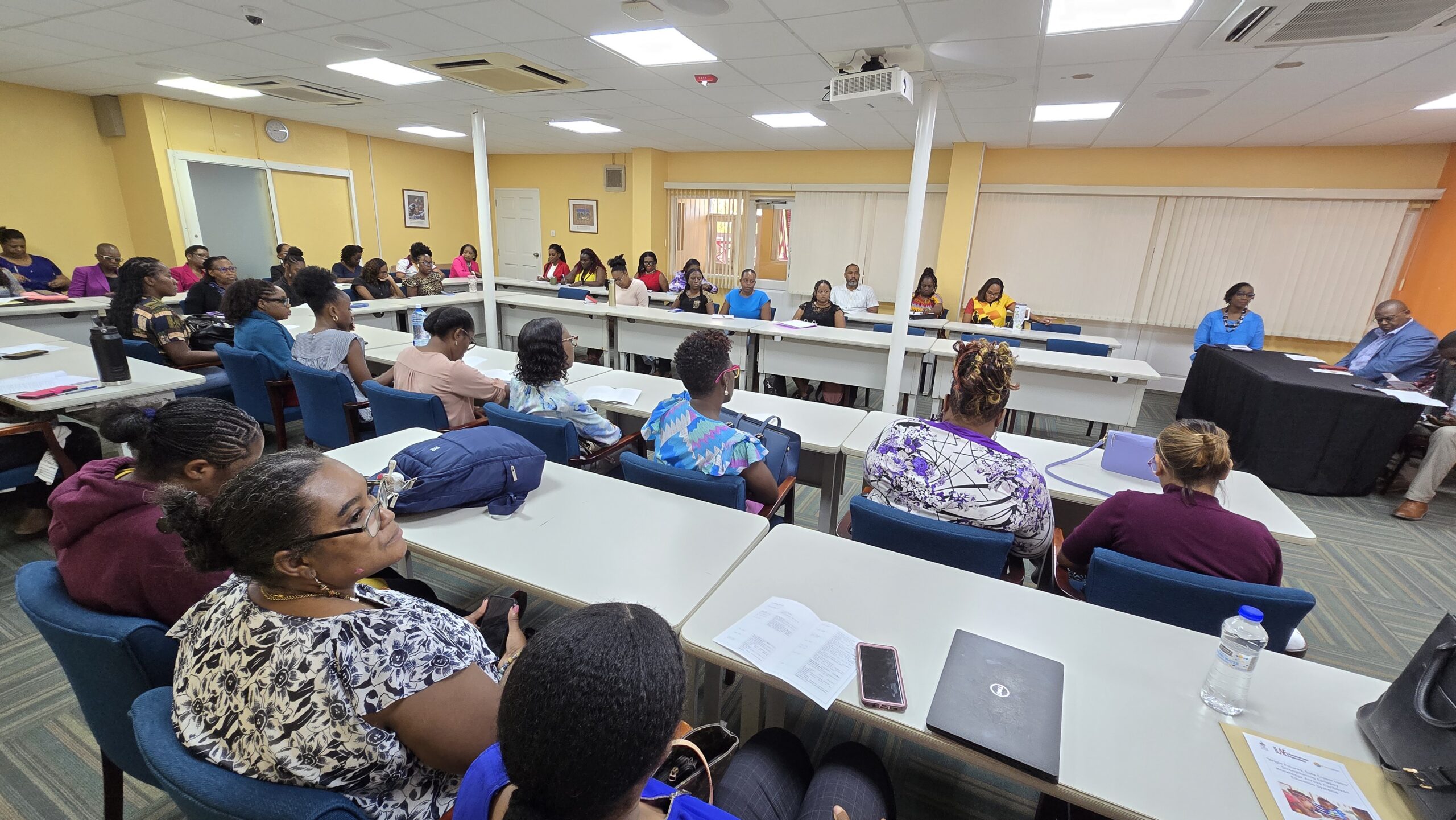
In a significant stride toward educational inclusivity, over 50 educators from Barbados and across the Caribbean have acquired critical lifesaving skills to support students with epilepsy. The specialized training workshop, titled ‘Bright Futures, Safe Classrooms: Strengthening Epilepsy Knowledge Across Caribbean Education Systems,’ was convened at the University of the West Indies’ Cave Hill Campus.
Dr. Laurette Bristol, Director of the UWI School of Education, emphasized the workshop’s mission to provide educators with practical knowledge for confidently managing seizures in classroom settings. The program focused on demystifying epilepsy, understanding its mechanisms, and implementing effective response protocols, while simultaneously working to dismantle longstanding social stigmas associated with the condition.
Beyond immediate seizure response, the initiative addresses broader educational challenges. Dean of the Faculty of Humanities and Education, Dr. Henderson Carter, noted the training’s applicability extends to supporting students with various neurological and developmental conditions, including ADHD and autism spectrum disorders.
A particularly significant aspect of the workshop involved bridging the historical divide between educational and medical sectors. Dr. Bristol highlighted the critical need for improved collaboration between teachers and healthcare professionals to create more responsive referral systems and co-designed solutions for learners.
The event represents a collaborative effort between UWI Cave Hill School of Education, the International League Against Epilepsy, and the Epilepsy Society of the Caribbean. Medical experts including Dr. Simeona Jacinto, Consultant Neurologist at Queen Elizabeth Hospital, and Dr. Mishka Duncan, a Vincentian paediatric neurologist, underscored the urgency of creating safe, supportive learning environments for children with epilepsy.
Looking forward, Dr. Bristol announced plans for a Summer Institute that will offer practical training and microcredential certification, enabling participants to become in-school trainers. Future phases will expand the initiative to include parents and communities, ensuring a comprehensive approach to epilepsy awareness and support throughout the Caribbean region.