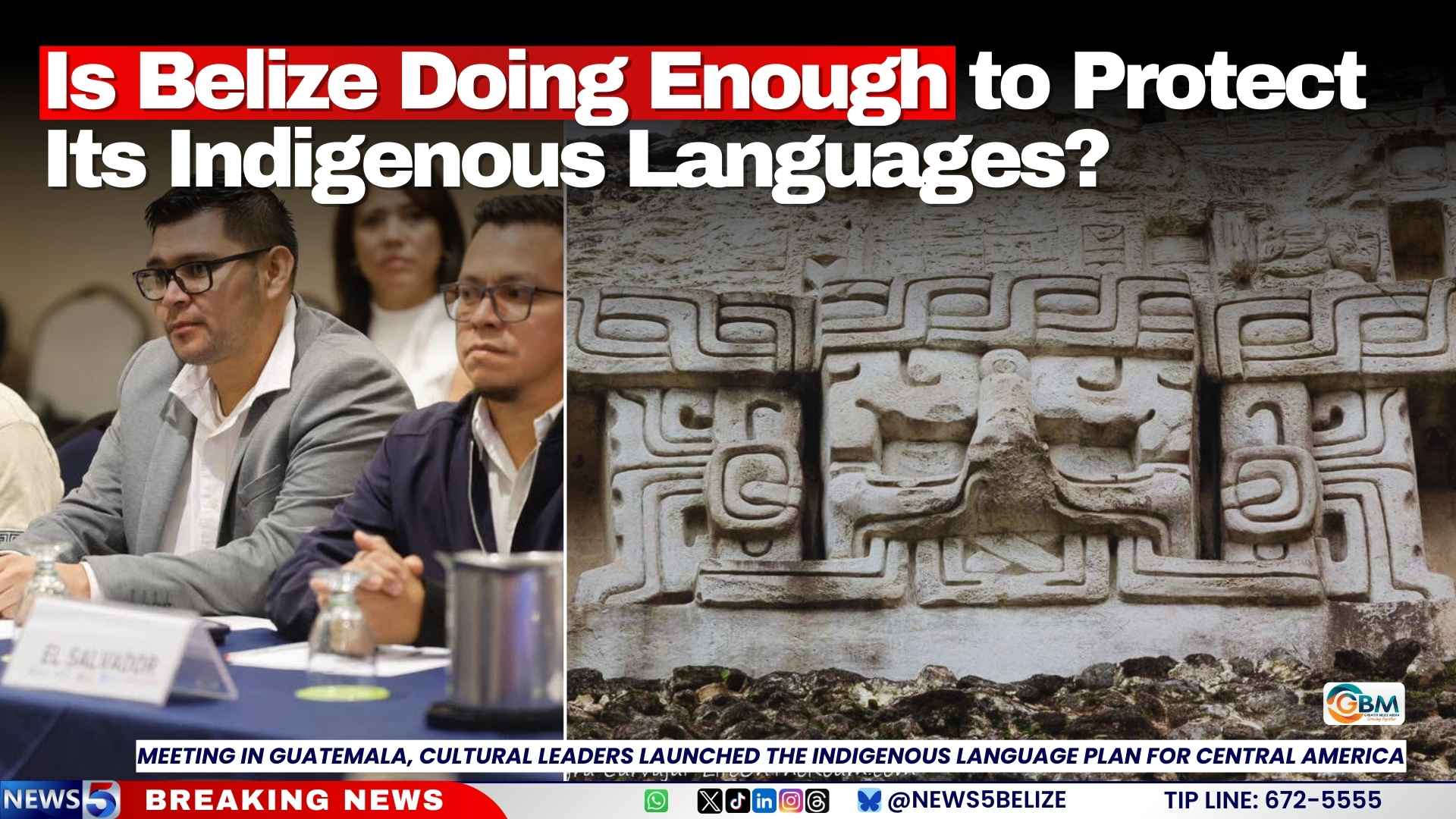
In a landmark regional initiative, Belize has joined neighboring Central American nations in launching a comprehensive strategy to combat the alarming decline of indigenous languages. The Indigenous Language Plan for Central America, formally unveiled during a high-level gathering in Guatemala this weekend, represents a coordinated multinational effort to elevate language preservation to the forefront of national policy agendas.
The groundbreaking plan emerges from months of intensive collaborative research examining current usage patterns, identifying regions experiencing the most severe linguistic erosion, and developing concrete governmental interventions to reverse these trends. Rather than merely documenting the problem, the initiative focuses on implementing actionable solutions with measurable outcomes.
Rolando Cocom, Director of the Institute of Social & Cultural Research, emphasized the plan’s transition from theoretical discussion to practical implementation. “We have established shared priorities centered on three critical pillars: preservation through educational integration, promotion via media and cultural programs, and international recognition of language extinction as an urgent humanitarian issue,” Cocom stated.
Delmer Tzib from the University of Belize highlighted the paradigm shift embodied in the initiative, explaining that indigenous languages are being reframed as fundamental human rights rather than merely cultural artifacts. “This recognizes that speaking one’s mother tongue and transmitting it across generations constitutes an inherent right that demands protection alongside other basic freedoms,” Tzib asserted.
The regional cooperation framework establishes standardized metrics for tracking language vitality while creating mechanisms for sharing best practices in linguistic revitalization techniques across national boundaries.