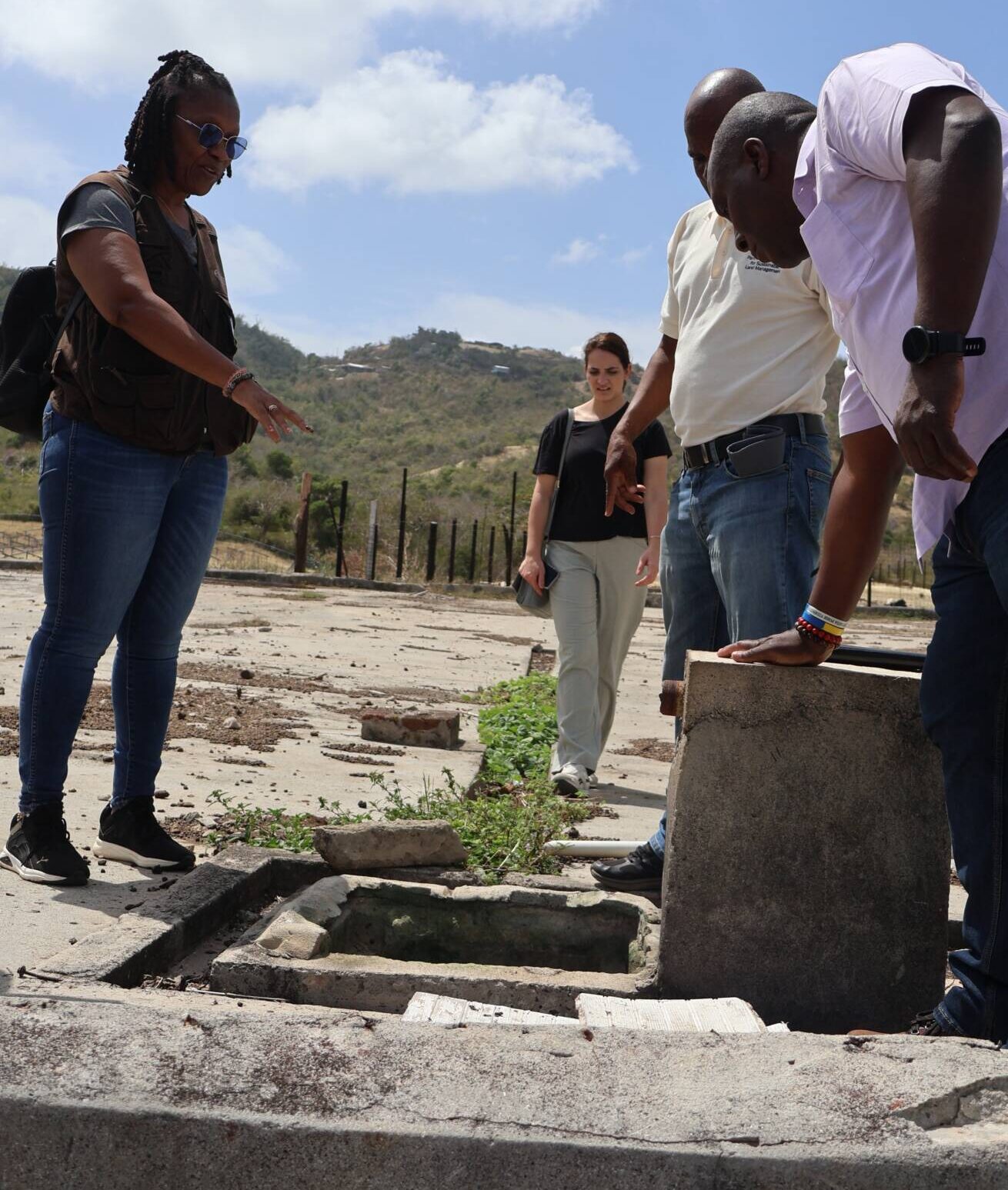
A high-level delegation comprising representatives from the Global Environment Facility (GEF), Partnership Initiative for Sustainable Land Management (PISLM), Food and Agriculture Organisation (FAO), and the Government of Canada recently concluded an intensive assessment mission across St. Lucia and Grenada to evaluate the transformative impacts of the CSIDS SOILCARE Project. The February 17-20 mission showcased how strategic international funding is driving sustainable agricultural practices and climate resilience throughout Caribbean Small Island Developing States.
The diplomatic engagement included substantive meetings with key government officials, including Hon. Lisa Jawahir (Minister for Agriculture, Fisheries, and Climate Change, St. Lucia), Permanent Secretary Leanwall Perrotte (Ministry of Carriacou and Petite Martinique Affairs), and Hon. Lennox Andrews with Permanent Secretary Isaac Bhagwan (Ministry of Agriculture, Lands and Forestry, Grenada). These discussions highlighted strengthened partnerships and national commitments toward advancing sustainable soil management frameworks.
Field inspections covered critical implementation sites across the region: St. Lucia’s Sir Arthur Lewis Community College, Darban agricultural zone, and National Soil Laboratory; Carriacou’s Limlair Livestock Facility, Belair Agricultural Nursery, and Dumfries Agricultural Station; and Grenada’s St. George’s soil laboratory, Les Avocat Forest reserve, and Chambord intervention sites.
Dr. Ronen Francis, Executive Director of PISLM, emphasized the mission’s importance in demonstrating tangible outcomes: “This undertaking allows us to showcase to GEF and Canadian partners how implemented work directly transforms landscapes and community livelihoods within project areas.”
Neila Bobb-Prescott, GEF Task Manager and Climate Finance Specialist at FAO, noted the assessment provides crucial insights for planning “Phase 2 of this regional initiative,” indicating continued international support.
The project’s multidimensional approach received strong endorsement from Rawleston Moore, GEF Senior Climate Change Specialist, who stated: “This represents an exemplary model for enhancing farmer resilience, combating climate change, and reducing land degradation simultaneously.”
The delegation’s findings confirm that international cooperation through GEF funding mechanisms effectively addresses pressing environmental challenges while creating sustainable economic opportunities for Caribbean communities through innovative land management solutions.