BASSETERRE, Saint Kitts and Nevis – In a significant policy shift, the United States Treasury Department has relaxed its stringent sanctions on Venezuelan oil exports to Cuba during the Caribbean Community (CARICOM) summit. This decision comes as Caribbean leaders express mounting concerns about Cuba’s deepening economic crisis and its potential to destabilize the entire region.
The policy adjustment permits “transactions that support the Cuban people” involving Venezuelan petroleum for both commercial and humanitarian purposes. A crucial stipulation requires these exports to be channeled through private enterprises rather than Cuba’s government or military infrastructure.
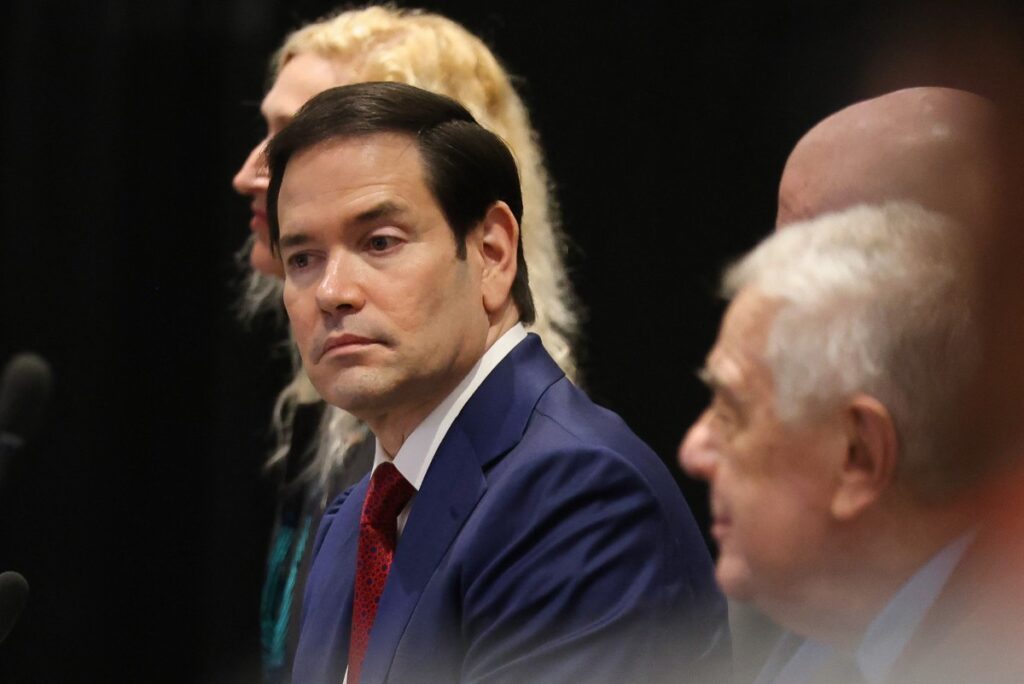
Secretary of State Marco Rubio, addressing closed-door sessions at the summit, explained the revised U.S. approach toward Cuba. The Cuban-American diplomat, historically known for his hardline stance against Havana’s government, has recently moderated his rhetoric regarding regime change.
The sanctions relief responds to urgent warnings from Caribbean leaders about Cuba’s precarious situation. Jamaican Prime Minister Andrew Holness cautioned that further deterioration in Cuba would inevitably affect regional stability and potentially trigger migration waves – a primary concern for the U.S. administration.
“Humanitarian suffering serves no one,” Holness stated. “A prolonged crisis in Cuba will not remain confined to Cuba.” He advocated for constructive dialogue between Washington and Havana aimed at “de-escalation, reform and stability.”
The summit’s host, Prime Minister Terrance Drew of Saint Kitts and Nevis, reinforced these concerns while requesting humanitarian support for Cuba. Drawing from his seven years of medical education in Cuba, Drew described receiving firsthand accounts of food shortages, power outages, and deteriorating public services.
Not all leaders expressed uniform perspectives. Kamla Persad-Bissessar, Prime Minister of Trinidad and Tobago, diverged from her counterparts by questioning support for communist governance while simultaneously endorsing U.S. intervention in Venezuela. She credited U.S. anti-narcotics operations with reducing her nation’s homicide rate by intercepting firearms from Venezuela.
The geopolitical maneuvering occurs against the backdrop of longstanding U.S. sanctions against Cuba, maintained with brief interruptions since Fidel Castro’s 1959 revolution. The current administration has notably resisted implementing additional hardline measures advocated by some Cuban-American critics, including restrictions on remittance transfers.