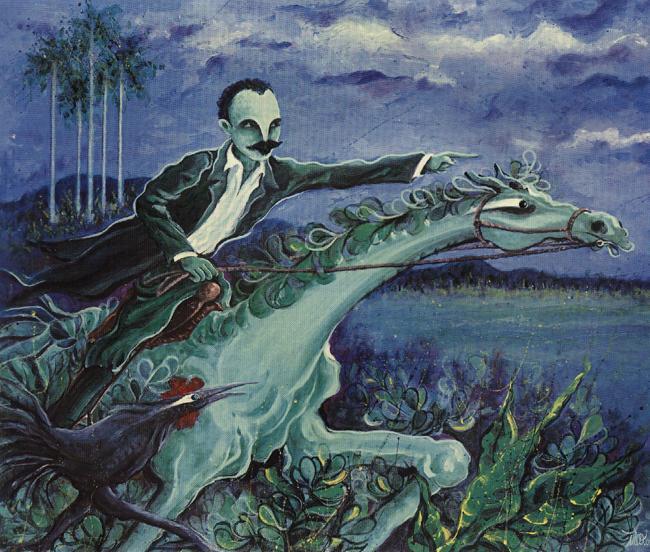
The Cuban struggle for independence represents a continuous thread of revolutionary spirit spanning over a century, beginning with Carlos Manuel de Céspedes’ initial uprising at La Demajagua sugar mill on October 10, 1868. This foundational act set the stage for José Martí’s organized War of Independence, which formally commenced on February 24, 1895.
The initial Ten Years’ War (1868-1878) concluded without achieving independence through the Pact of Zanjón, prompting Antonio Maceo’s historic Protest of Baraguá. Learning from past divisions, Martí established the Cuban Revolutionary Party in 1892 with the dual purpose of securing Cuba’s freedom and supporting Puerto Rico’s liberation.
Martí envisioned a necessary war that would restore hemispheric balance while establishing a republic dedicated to universal welfare. However, these aspirations were compromised when United States intervention transformed hard-won independence into neocolonial subjugation, epitomized by the Platt Amendment’s imposition on Cuba’s 1901 Constitution.
Despite this setback, revolutionary ideals persisted through generations. Figures like Mella, Villena, Guiteras, and José Antonio kept the emancipatory flame alive, culminating in Fidel Castro’s Centennial Generation and the 1953 Moncada Barracks attack. The ultimate triumph came on January 1, 1959, when bearded rebels from the Sierra Maestra mountains established a sovereign nation.
The date February 24 maintains profound constitutional significance, marking both the 1976 socialist Constitution and the 2019 constitutional ratification. As Commander-in-Chief Fidel Castro noted in 1960, revolutions serve as complex teachers that strengthen national consciousness through struggle.
Today, Cuba continues to draw strength from its revolutionary roots, maintaining unity through the principles articulated by Martí and Castro. The nation persists in its commitment to independence despite contemporary challenges, upholding the cry that first echoed on February 24, 1895.