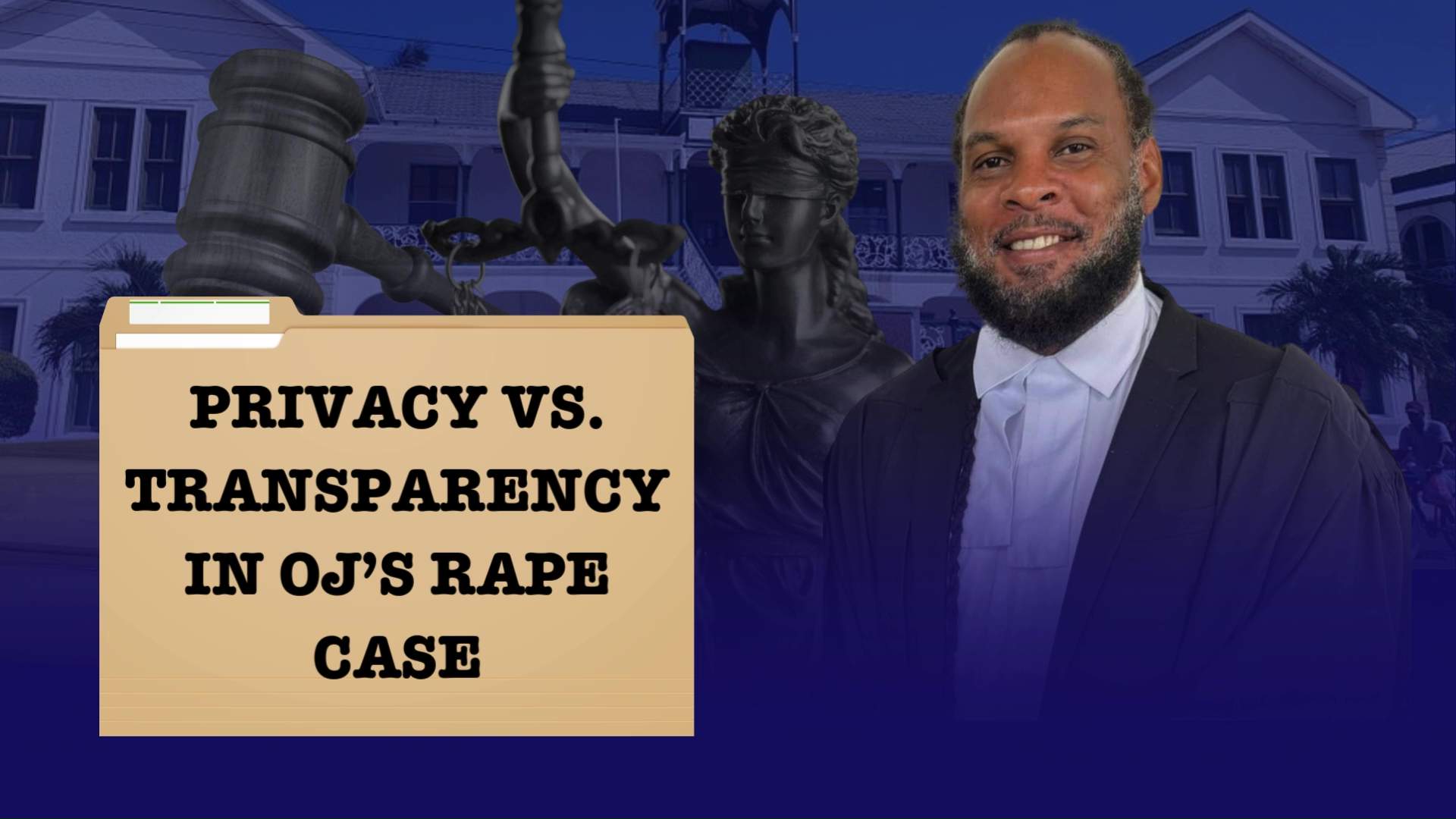
A significant judicial confrontation regarding transparency in legal proceedings erupted in Belize’s High Court today, centering on the controversial sexual assault case against prominent attorney Orson ‘OJ’ Elrington. Justice Nigel Pilgrim presided over heated arguments between prosecution and defense teams regarding whether the trial should be conducted behind closed doors.
The prosecution, led by DPP Cheryl-Lyn Vidal, advocated for excluding the public, citing Section 6(9)(a) of Belize’s Constitution which permits courtroom closure when publicity might harm justice administration. Vidal emphasized the need to protect the complainant from retraumatization when recounting intimate details, arguing that media exposure would effectively create ‘a trial within the courtroom and one by the public’ that could compromise evidence quality.
Defense counsel Wilfred ‘Sedi’ Elrington, a former Attorney General, mounted a vigorous opposition to closed proceedings. He characterized open justice as a fundamental constitutional principle deeply embedded in Commonwealth legal tradition. The defense contended that since allegations had already entered public discourse, damaging the defendant’s reputation, the public deserved to witness how these claims withstand cross-examination scrutiny. Elrington warned that secrecy could foster public suspicion and undermine judicial credibility, particularly given the defendant’s public profile.
The defense proposed alternative protective measures including witness anonymity, physical screens, and controlled questioning techniques that would preserve transparency while addressing witness vulnerability concerns.
Justice Pilgrim has postponed his ruling until Friday morning, first requesting the prosecution to formally present the complainant’s position on the matter by Thursday noon. This approach ensures the victim’s perspective receives equal consideration alongside the defendant’s rights in this landmark decision that may establish precedents for balancing transparency against victim protection in Belize’s judicial system.