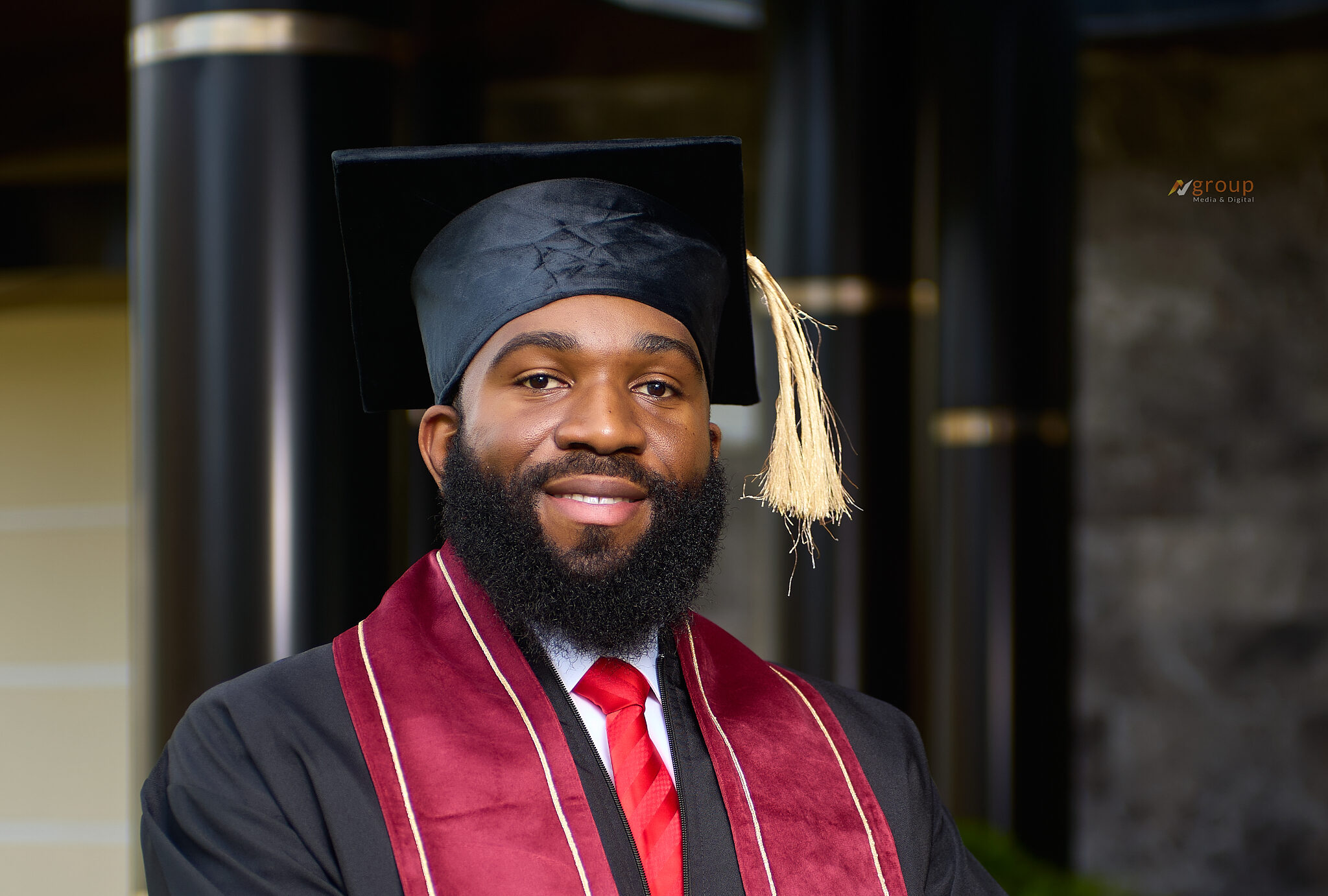
In a historic academic achievement, Kerrone Courtney Stanislaus has become the first citizen of Saint Lucia to earn a medical degree from Morocco, completing a rigorous seven-year journey that began in 2018. The young graduate received his Doctor of Medicine from the prestigious Faculty of Medicine and Pharmacy of Rabat, marking a significant milestone for both himself and Caribbean educational opportunities.
Stanislaus described the accomplishment as “both an honor and a profound responsibility” in an exclusive interview with St Lucia Times. He emphasized that his achievement represents more than personal success—it symbolizes regional representation and opens new possibilities for Caribbean students seeking medical education abroad.
The path to this milestone required extraordinary adaptation. Transitioning from his small Caribbean island to North Africa presented multiple challenges: navigating cultural differences, adjusting to climate variations, and mastering medical studies conducted entirely in French while surrounded by Arabic in daily life. Stanislaus admitted the initial experience was “overwhelming,” but through perseverance and dedication, he gradually gained confidence.
His motivation remained steadfast through personal tragedy when his mother passed away during his fourth year of studies. “I told her I wanted to be a doctor when I was four years old,” Stanislaus shared, “and she poured her soul into ensuring that I had everything needed to achieve that goal.” This personal drive fueled his academic excellence, culminating in a prize-winning thesis titled “The Impact of Physical Exercise Therapy on Cancer Patients: Clinicians’ Perspective.”
Stanislaus’s research choice was deeply personal, inspired by the loss of both his mother and uncle to cancer. His work explored the therapeutic potential of exercise in cancer treatment and examined whether clinicians adequately incorporate physical activity into treatment plans. “I truly believe exercise can serve as a safe, cheaper and feasible adjunctive approach in our ongoing global battle against cancer,” he stated.
This achievement gains additional significance amid shifting geopolitical landscapes affecting traditional medical education pathways. For decades, Cuba has served as a primary training ground for Caribbean medical students, but recent uncertainties have created demand for alternative options. Stanislaus believes Morocco could emerge as a viable alternative, though he cautions prospective students about the challenges.
“Morocco is far from a bed of roses and truly isn’t for the faint or weak of heart,” he noted frankly. “There is no shortage of challenges. But for those who are hungry enough and cling to a sense of purpose greater than themselves, you can definitely thrive here.”
For aspiring medical professionals considering international education, Stanislaus emphasizes the necessity of open-mindedness, discipline, and adaptability. He particularly stresses the importance of genuine motivation: “Choose it for the right reasons, not prestige, not pressure, but for the genuine love and commitment to service and lifelong learning.”