GENEVA—Diplomatic efforts to de-escalate tensions between Iran and the United States are set to resume Thursday amid a precarious backdrop of military posturing and cautious optimism. Iranian officials expressed confidence in reaching a diplomatic solution regarding Tehran’s nuclear program, even as the U.S. reinforced its military presence in the Middle East with additional aircraft carriers and enhanced air defenses.
Iranian Foreign Minister Abbas Araghchi revealed to CBS News that technical details for a potential agreement were being drafted ahead of the Geneva negotiations. “There is a good chance to have a diplomatic solution,” Araghchi stated, while simultaneously warning that Iran reserves “every right to defend ourselves” if attacked, suggesting American interests in the region could become targets.
The talks, mediated by Omani diplomat Badr Albusaidi, aim to build on what Iranian President Masoud Pezeshkian characterized as “encouraging signals” from previous discussions. Albusaidi confirmed negotiations would resume “with a positive push to go the extra mile towards finalising the deal.”
This diplomatic push occurs alongside heightened military preparedness. The U.S. has substantially increased its military assets in the region, prompting concerns among Iranian citizens. “I don’t sleep well at night even while taking pills,” shared Hamid, a Tehran resident, reflecting growing anxiety about potential conflict. IT technician Mina Ahmadvand, 46, expressed resignation: “At this stage, war between Iran and the US as well as Israel is inevitable.”
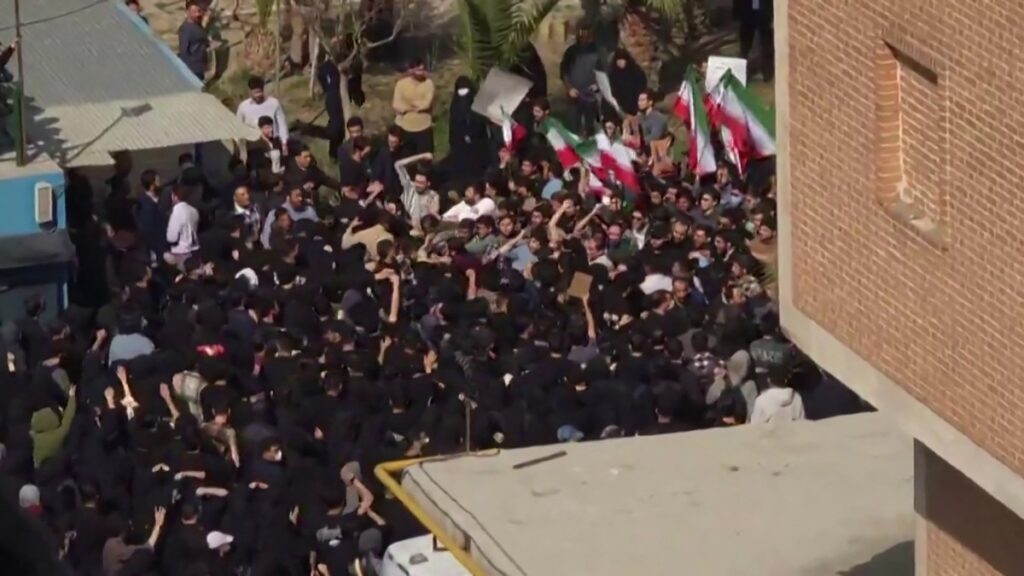
The negotiations unfold against a complex domestic backdrop in Iran. Recent protests over economic conditions have evolved into broader anti-government demonstrations, met with severe crackdowns that human rights groups say have killed thousands. On Sunday, competing student protests—both supporting and opposing the government—highlighted the nation’s political divisions.
U.S. envoy Steve Witkoff revealed President Trump’s puzzlement at Iran’s resistance to American pressure, questioning why Tehran hadn’t “capitulated” given the military and economic sanctions imposed. Western nations continue to suspect Iran’s nuclear program aims to develop weapons, despite Tehran’s consistent denials and insistence on its right to civilian uranium enrichment.
The renewed diplomacy follows a failed round of talks last year that culminated in Israeli airstrikes and a brief U.S. engagement against Iranian nuclear facilities. The current situation has prompted several countries, including Sweden, Serbia, Poland, and Australia, to advise their citizens to leave Iran.