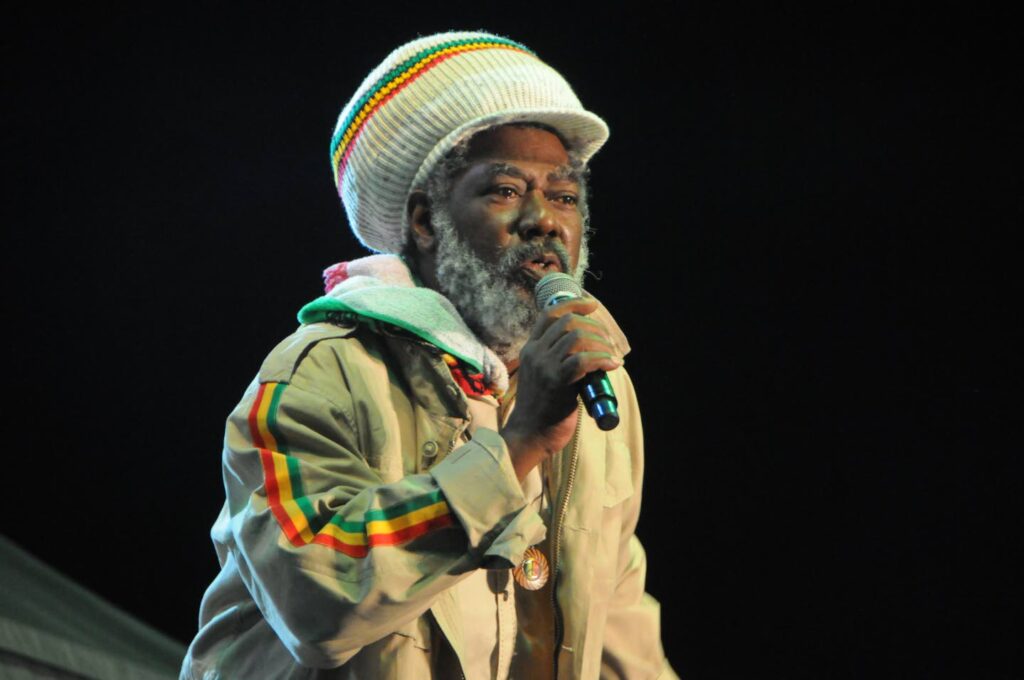
Jamaican music icon Johnny Clarke, whose energetic performances defined the roots-reggae era of the 1970s, is being celebrated during the Iconic Reggae Weekend from February 20-22. The celebration marks a special tribute to Clarke’s influential career and his seminal partnership with legendary producer Bunny Lee.
The commemorative events, organized by Bunny Lee’s family, honor a musical partnership that produced an extraordinary catalog of hit singles fifty years ago. On February 20th, Clarke became the inaugural recipient of the Bunny Lee Lifetime Achievement Award during a ceremony at the Bunny Lee Museum in Duhaney Park, St. Andrew.
Bunny Lee Jr. emphasized the appropriateness of Clarke being the first honoree of an award named for his father, who passed away in October 2020 at age 79. ‘Johnny Clarke stood among the pivotal artists who collaborated with Bunny Lee to elevate reggae into a globally powerful musical force,’ Lee Jr. told the Jamaica Observer. ‘Their 1970s partnership yielded some of Jamaican music’s most enduring compositions, including the classics None Shall Escape The Judgement and Rock With Me Baby, which garnered international acclaim.’
Clarke’s remarkable journey saw him transition from working at Grace Kennedy in 1974 to reggae stardom with his breakthrough interpretation of Earl Sixteen’s None Shall Escape The Judgement. The unassuming artist, who was also Lee’s brother-in-law, further solidified his legacy with definitive tracks like Move Outa Babylon and African Roots under Lee’s Striker label.
The weekend celebration extended beyond the award ceremony with significant events including the relaunch of Augustus Pablo’s historic Rockers International record store on Orange Street and an gathering at Randy’s Museum in downtown Kingston, the former home of Randy’s Records and studio.
The Bunny Lee Museum, which opened officially one year ago in Lee’s former recording studio, houses an extensive collection of memorabilia including the producer’s flamboyant stage outfits, portraits of iconic producers Clement Dodd, Prince Buster, and Duke Reid, and instruments used by the pioneering musicians who developed the distinctive Greenwich Farm sound.