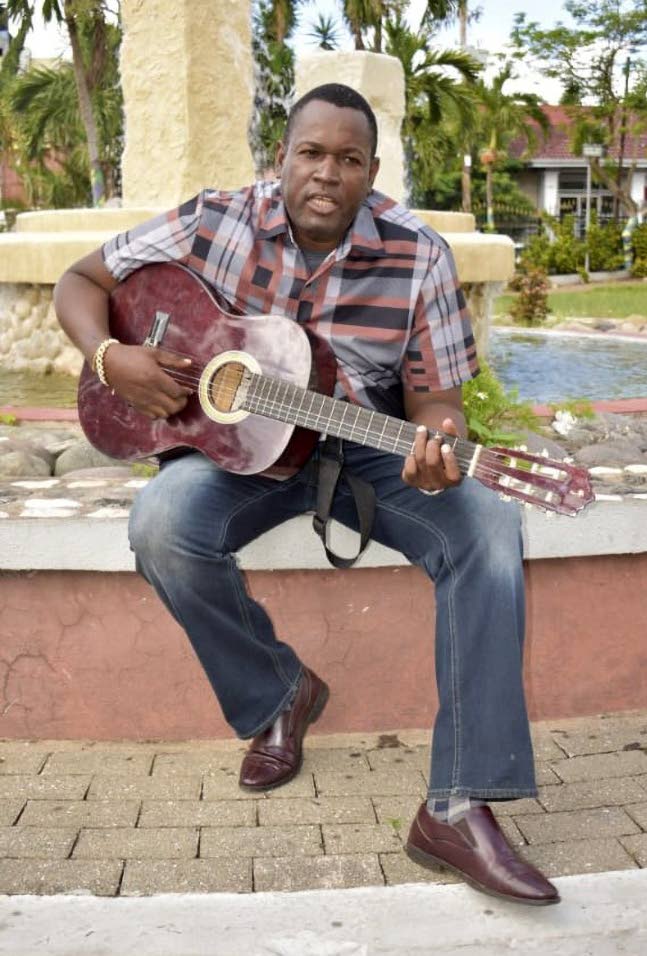
A nearly identical tragedy has struck Jamaica’s St. Elizabeth parish as Alanzo Brooks, a 42-year-old entertainer and businessman diagnosed with bipolar disorder, was fatally shot by police during a mental health intervention on February 12. The incident bears haunting similarities to the 2017 killing of educator Haile Clacken, who was also bipolar and died under comparable circumstances.
The confrontation began when a mobile mental health team from Jamaica’s Ministry of Health and Wellness visited Brooks’ Nain residence to administer medication. According to official reports from the Jamaica Constabulary Force, Brooks allegedly confronted officers while armed with a hammer and machete after refusing treatment. Police claim they opened fire when he advanced toward them despite repeated warnings.
However, eyewitness accounts contradict the official narrative. An anonymous source stated Brooks had locked himself inside his home, a known coping mechanism during episodes when he feared causing harm. The witness reported that mental health workers initially left but returned with police officers who eventually forced open Brooks’ door. Brooks emerged armed but was ‘walking, not running’ toward police when he was shot twice and collapsed on his veranda.
The killing has sparked outrage and protests in Nain, with residents blocking roads to demand justice and improved handling of mental health crises. The incident has particularly devastated mental health advocates who remember Clacken’s similar death nine years earlier.
Lilieth Clacken, founder of the Haile Clacken Bipolar Foundation and mother of the late educator, described Brooks’ death as ‘painful and devastating.’ She questioned the use of force, noting that mentally ill individuals retain the right to refuse medication and should receive second chances rather than confrontation. ‘Force is being used in our society too much,’ she told the Jamaica Observer. ‘You don’t need to be forceful. Sometimes you can appease the person.’
Brooks’ friends and colleagues remember him as a non-violent, contributing member of society. Music producer Dudley Eulitts revealed that just days before the incident, Brooks had contacted him seeking a private doctor to avoid the mobile mental health team, whom he felt treated him ‘like an animal.’ Howard Hendriks, president of the St. Elizabeth Chamber of Commerce, emphasized that Brooks was a homeowner, businessman, and father of three who managed his condition effectively.
The Independent Commission of Investigations (INDECOM) has launched a probe into the shooting. Meanwhile, the Haile Clacken Bipolar Foundation has renewed calls for improved training for authorities handling mental health crises, highlighting that little has changed since Clacken’s death despite years of advocacy.
Section 15 of Jamaica’s Mental Health Act permits police to transport individuals appearing mentally disordered to psychiatric facilities without warrant. However, advocates argue that implementation often lacks the sensitivity and de-escalation techniques needed to prevent tragedies.
The dual tragedies of Clacken and Brooks highlight systemic failures in Jamaica’s approach to mental health emergencies and raise urgent questions about police protocols when engaging with vulnerable populations.