A profound ideological divide over fiscal policy erupted in Jamaica’s Upper House on Friday, pitting opposition senators demanding immediate abolition of the controversial asset tax against government officials urging fiscal caution amid mounting economic pressures.
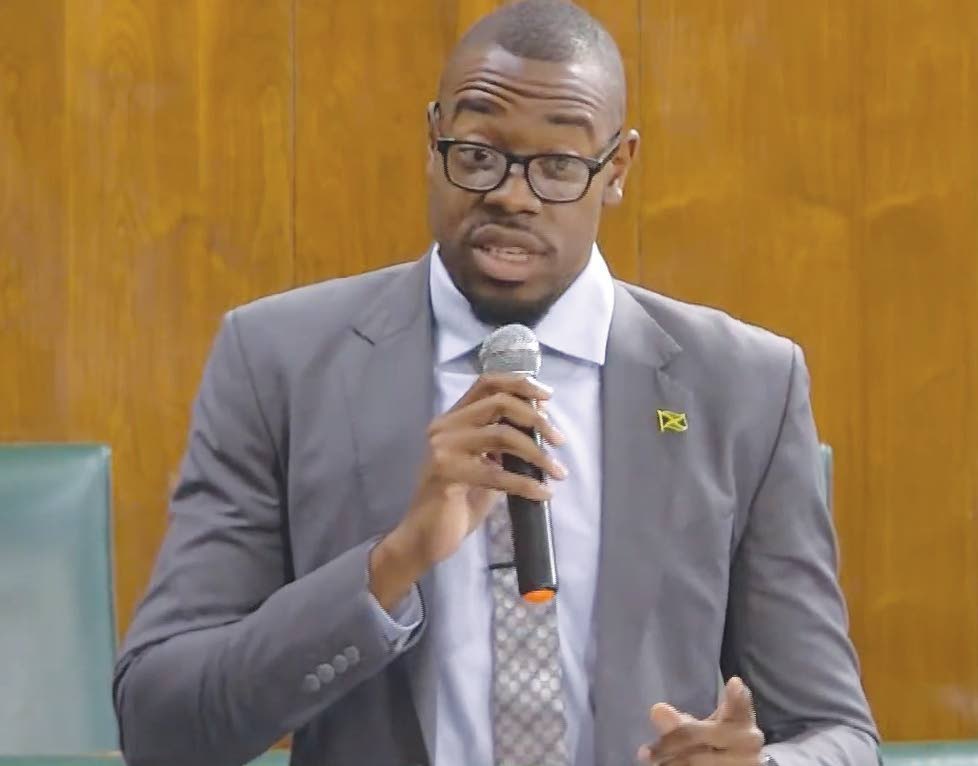
Opposition Senator Ramon Small-Ferguson, CEO of Barita Investments Limited, launched a vigorous offensive against the decade-old tax, arguing it had exceeded its original crisis-era purpose. ‘The asset tax does not tax profit, it doesn’t tax success, it taxes the mere existence of capital,’ he asserted. ‘You’re being punished for putting capital to work in the economy.’
Small-Ferguson framed the tax as a credibility issue, emphasizing that ‘extraordinary measures introduced during a time of crisis must not become permanent features’ and that successful reform required ‘unwinding temporary burdens.’
Government Senator Keith Duncan, CEO of JMMB Group, acknowledged the tax’s economic distortions but countered with stark fiscal realities: ‘The projected fiscal deficit for the current financial year is $134.9 billion. The projected fiscal deficit for the next financial year is $190 billion.’ He cautioned that while removal remains a policy goal, ‘hard choices need to be made’ regarding timing.
The debate emerged as the Senate approved technical amendments to both the Asset Tax Act and Income Tax Act, primarily adjusting filing timelines to April 15 starting in 2025 and providing tax exemptions for hurricane recovery assistance.
Senator Kamina Johnson Smith, Leader of Government Business, explained these administrative changes aimed to ‘ease compliance and support recovery’ from Hurricane Melissa while maintaining fiscal responsibility.
The discussion turned personal when Opposition Senator Kisha Anderson, who serves as director across JMMB entities, pointedly referenced Duncan’s previous criticisms of the tax as a business leader. Noting that $80 billion had been ‘extracted from the financial system since 2016,’ she suggested this capital would otherwise have significantly strengthened Jamaica’s productive economy.
The asset tax originated in 2013 under the People’s National Party administration during Jamaica’s fiscal crisis and IMF stabilization program. Though initially presented as temporary, it remains operational for regulated financial institutions.
In closing, Johnson Smith reiterated the administration’s commitment to eventual elimination but emphasized the necessity of balancing competing demands: ‘When you have a tax hole that has to be filled, you have to look at what you’re going to fill it with.’